
Police Impound Auctions: Where Car Audio Deals Hide
Police Impound Auctions: Where Car Audio Deals Hide
Scroll through any car audio forum and you'll see the same complaint: premium speakers, amplifiers, and subwoofers cost a fortune at retail. But there's a quieter market where these same components show up for a fraction of the price. Police impound lots regularly clear out vehicles loaded with aftermarket sound systems, and much of that gear ends up for sale. Most people scrolling past these auctions have no idea they exist.
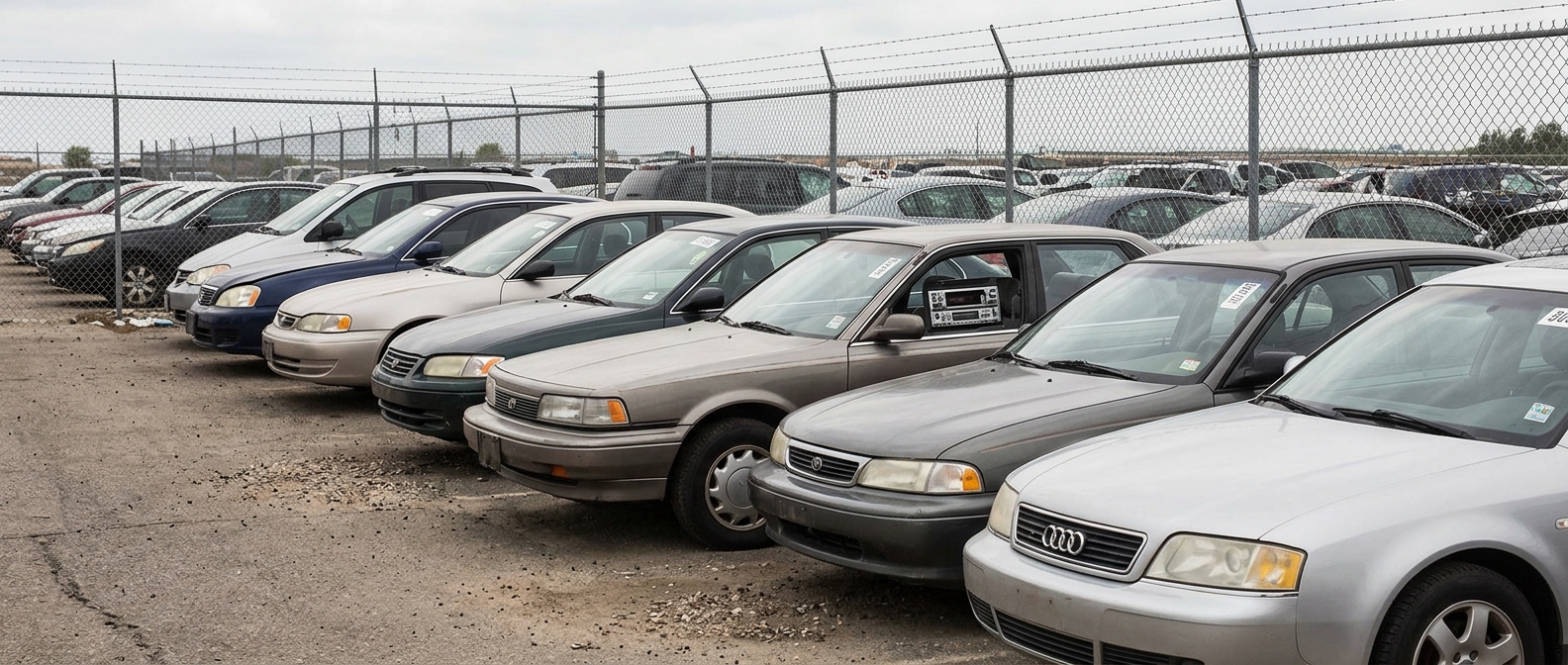
Why Impounded Cars Often Have Upgraded Audio
Vehicles get impounded for all kinds of reasons: unpaid tickets, abandoned property, repossessions, or seizures tied to legal cases. Many of these cars belonged to owners who invested heavily in customization before losing possession of them.
Car audio upgrades are one of the most common modifications on the used market. That means impound lots aren't just clearing out stock stereos. They're often unloading vehicles with:
- Aftermarket amplifiers and subwoofers
- Upgraded head units with touchscreen displays
- Component speaker sets
- Sound-dampening installations
- Full custom sound systems worth thousands new
None of this is guaranteed. But the pattern shows up often enough that buyers who know where to look treat impound auctions as a legitimate sourcing strategy, not a gamble.
Why Traditional Retail Shopping Falls Short
Retail car audio pricing carries heavy markups. A single amplifier can run several hundred dollars before installation costs. For anyone building a full system, brand-new components quickly become a four-figure investment.
Buying secondhand through classifieds or online marketplaces helps, but it introduces its own problems. Sellers often can't verify functionality. Stolen equipment sometimes gets funneled through casual resale channels. And there's rarely any paper trail if something goes wrong.
Impound and government surplus auctions solve some of these issues by offering a documented chain of custody and a formal bidding process, even though items are still typically sold "as-is."
How the Auction Process Actually Works
Impound auctions aren't hidden or invitation-only. Most operate through:
- Local municipal or county auction sites
- Third-party auction platforms that partner with police departments
- In-person lot auctions held on a set schedule
- Online bidding portals with photos and vehicle descriptions
Buyers can usually inspect vehicles beforehand, though inspection windows are often limited to a single day. Serious audio equipment hunters bring a multimeter, a flashlight, and sometimes a portable battery to test whether a head unit powers on before bidding.
What Experienced Buyers Watch For
Not every impounded vehicle is a hidden goldmine. Experienced buyers develop a checklist before committing:
- Check for visible wiring modifications under the dash, a sign of aftermarket installation
- Look for brand nameplates on speaker grilles or subwoofer boxes
- Ask whether the auction allows removal of components separately from the vehicle
- Confirm whether the sale includes a title or is for parts only
- Research the auction house's return or dispute policy, since most sales are final
Some buyers attend auctions purely to source components, planning to strip the audio system and resell the vehicle shell or scrap it. Others buy the whole car, intending to drive it once the system justifies the price alone.
Where the Real Savings Come From
The appeal isn't just a discount. It's the possibility of acquiring a system that would cost thousands to install new, bundled into a vehicle purchase priced closer to scrap value. Even after factoring in removal labor or minor repairs, buyers frequently report paying a small percentage of retail value for comparable equipment.
This is very different from big-box retail sales or holiday discounts, which rarely apply meaningful markdowns to premium audio brands.
The Search Intent Pivot
General advice only goes so far here. Auction schedules, inventory, and bidding rules vary dramatically depending on your city, county, and even the specific auction platform a local police department uses in 2026. Some regions run weekly online auctions, while others hold quarterly in-person events with completely different registration requirements.
If this approach interests you, the next step is finding out which impound and police auction platforms currently operate near you, what their upcoming auction dates look like, and what documentation you'll need to register as a bidder. That information is location-specific and changes often, so it's worth searching directly for current listings in your area rather than relying on generic guides.
Final Thoughts
Police impound auctions aren't a secret, but they're not widely publicized either. For anyone interested in car audio equipment, they represent a sourcing channel worth understanding before writing them off. Knowing how the process works is the easy part. Finding the right local auction, with the right inventory, at the right time, takes a bit more digging.