
Police Impound Instruments: Hidden Deals Musicians Overlook
Police Impound Instruments: Hidden Deals Musicians Overlook
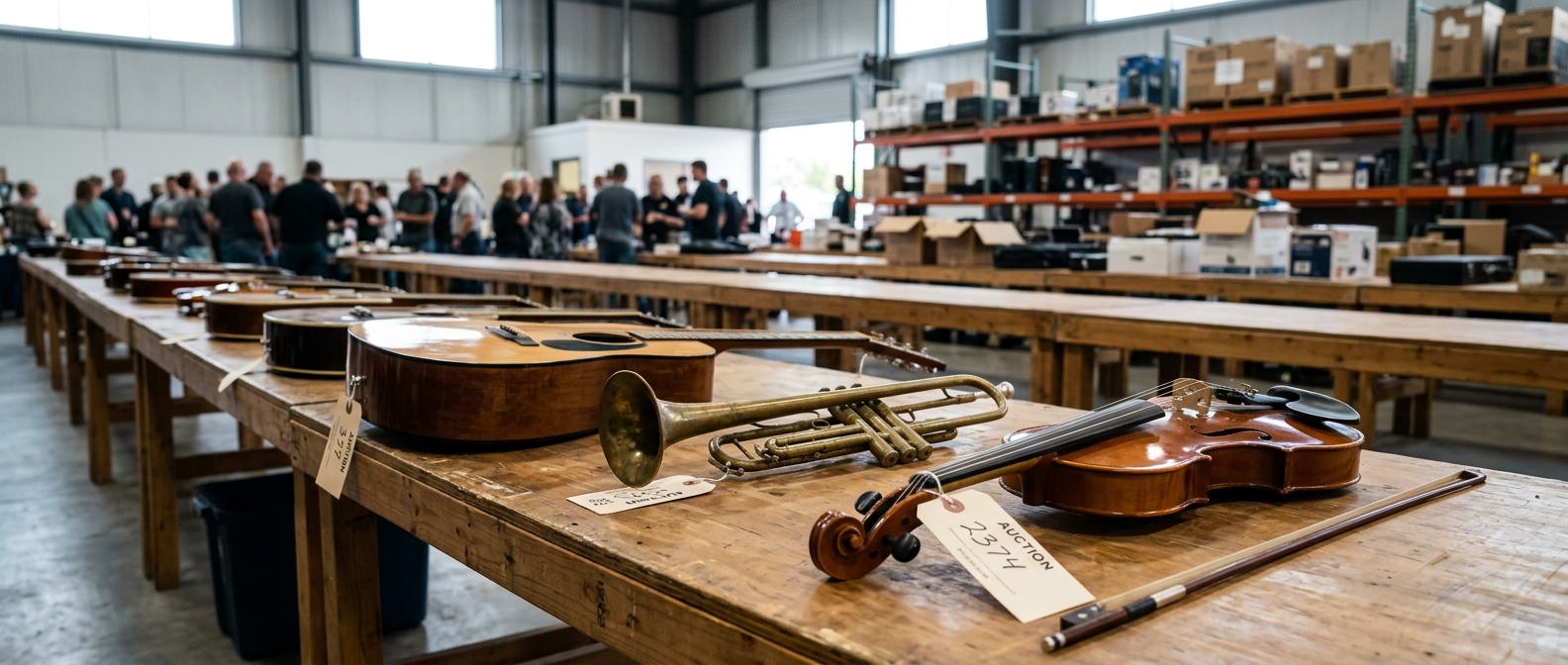
Every year, thousands of musical instruments sit in police storage facilities and government warehouses, waiting for someone to claim them. Guitars, violins, drum kits, even vintage saxophones. Many were seized as evidence, recovered from theft, or simply abandoned. Most never make it back to their original owners. Instead, they get funneled into public auctions where everyday buyers can pick them up for a fraction of retail price. If you've ever paid full price for an instrument at a music store, this might make you wince a little.
Where Do These Instruments Actually Come From?
Impounded instruments typically fall into a few categories. Some are recovered stolen goods that police could never trace back to an owner. Others were held as evidence in criminal cases that eventually closed. A surprising number are simply unclaimed items from pawn shops, storage unit seizures, or abandoned property cases.
Once a legal holding period passes, agencies are required to clear inventory. That's when these items typically move to auction, either through local government sales or third-party liquidation platforms.
Why Traditional Music Shopping Feels Broken
Musicians know the frustration. Retail markups on instruments can be steep, especially for anything considered a "starter" or "intermediate" model. Even used gear from private sellers often comes with inflated prices, vague histories, and zero guarantees.
For students, hobbyists, or parents buying a first instrument for a child, this pricing structure can be a real barrier. It's one reason interest in alternative buying channels, like impound and surplus auctions, has quietly grown among budget-conscious buyers.
What Kind Of Instruments Show Up At These Auctions?
The variety tends to surprise first-time bidders. Common finds include:
- Acoustic and electric guitars, including some recognizable brand names
- Keyboards and digital pianos
- Brass and woodwind instruments like trumpets, clarinets, and saxophones
- Violins, violas, and cellos, sometimes still in their original cases
- DJ equipment and amplifiers
Condition varies widely. Some items are nearly untouched. Others need minor repairs or a good cleaning. This is part of why doing a little homework before bidding matters so much.
How The Auction Process Actually Works
Unlike a typical online marketplace, impound and police auctions usually follow a structured process:
- Items are cataloged and listed with minimal descriptions, often just make, model, and condition notes
- Photos are provided, but detailed inspection is rarely possible beforehand
- Bidding windows are time-limited, sometimes lasting just a few days
- Winning bidders typically arrange pickup or shipping directly from the holding facility
Because listings move fast and inventory changes constantly, timing plays a big role in finding good deals.
Common Mistakes First-Time Bidders Make
People new to this space often assume it works like a typical online store. It doesn't. Some frequent missteps include:
- Skipping research on the specific auction platform's fees and pickup rules
- Not accounting for buyer's premiums, which can add a meaningful percentage to the final price
- Assuming all listings include return policies (many don't)
- Overlooking shipping costs for larger or fragile instruments
None of these are dealbreakers, but they're the kind of details that catch inexperienced bidders off guard.
Why Location Changes Everything
Here's the part most people don't realize until they start looking: availability and pricing vary enormously depending on where you live. Some regions hold frequent public auctions through local police departments or municipal surplus programs. Others rely almost entirely on third-party liquidation companies that aggregate inventory from multiple agencies.
This means the "best" way to find these deals isn't a one-size-fits-all answer. A buyer in a large metro area might have access to weekly online auctions, while someone in a smaller town may need to look at regional or state-level surplus programs instead.
What To Look Into Before You Start Bidding
Because the process and access points differ so much by region, the smartest next step is looking into how police and government auctions actually operate near you. Specific search terms worth exploring include local police auction schedules, government surplus liquidation sites, and online platforms that specialize in seized property sales. Each of these paths can lead to very different inventory, pricing, and pickup logistics, so narrowing down your search to your actual location and budget makes a real difference.
A Few Practical Tips Before You Bid
If you decide to explore this route, a little preparation goes a long way:
- Set a firm budget that includes fees, taxes, and potential shipping
- Research the specific platform's return and inspection policies
- Look up recent sold listings to get a sense of typical pricing
- Consider starting with lower-stakes items before bidding on higher-value instruments
Patience matters here. Good listings don't show up constantly, and bidding wars can push prices higher than expected if you're not careful.
Worth A Closer Look
Buying an instrument through a police or government auction isn't a guaranteed bargain, but it's a path worth understanding, especially for musicians tired of retail markups. Instrument availability, auction schedules, and platform reliability all vary by location, which is exactly why a bit of focused research pays off. Exploring the specific auction resources and listings available in your area is the most practical way to see what's actually out there right now.