
The Hidden Auction World of Impounded Police Trailers
The Hidden Auction World of Impounded Police Trailers
Somewhere near you right now, there's likely a lot full of trailers nobody's claiming. Utility trailers, boat trailers, enclosed cargo units, even RV trailers, all sitting behind chain-link fences with property tags stapled to their frames. They were towed, seized, or abandoned, and now local police departments just want them gone. Most people scroll past this fact without a second thought. But if you've ever needed a trailer for hauling, moving, or a side hustle, this overlooked corner of municipal bureaucracy might be worth a second look.
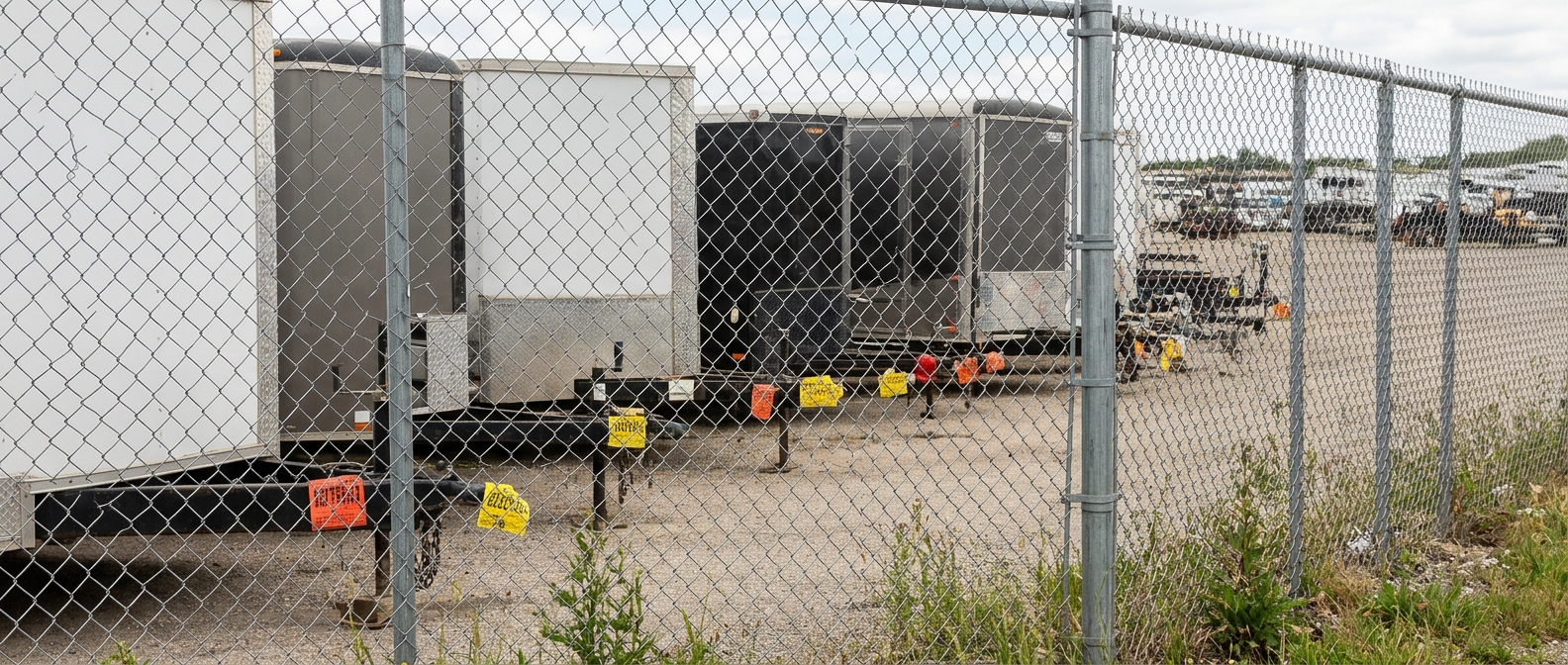
Why Police Departments End Up With Trailers
It happens more often than people assume. A trailer gets left on a public road after a breakdown. A landlord reports an abandoned unit on a rental property. A vehicle involved in a police case includes a trailer that was never reclaimed. Departments are legally required to store this property for a set period, usually 30 to 90 days depending on the state.
Once that window closes and no owner steps forward, the trailer becomes eligible for disposal. That's where the process shifts from "lost property" to "public inventory."
Why These Listings Rarely Go Viral
Unlike flashy seized-car auctions you might see in viral posts, trailer inventories are quiet. There's no glamour in a flatbed trailer or a rusted camper. But that's exactly why prices often stay low. Fewer bidders means less competition, and less competition usually means a better deal for someone willing to do a little homework.
Most departments don't advertise these sales widely. They post required legal notices, sometimes in a local newspaper, sometimes on a government auction portal, and leave it at that. If you're not actively looking, you'll never see them.
The Old Way People Used To Find These Sales
For years, the only way to catch one of these listings was to physically check bulletin boards at courthouses or call impound lots directly. That method is slow, inconsistent, and depends heavily on which county or city you're in. Some departments still operate this way today.
The problem is obvious: by the time you hear about a listing through word of mouth, the good units are already gone.
How the Process Usually Works
While every jurisdiction has its own rules, the general pattern looks similar across most of the country:
- The trailer is tagged and logged into an impound system.
- A notice is sent to the last known owner, if identifiable.
- A waiting period passes with no claim filed.
- The trailer is classified as unclaimed or abandoned property.
- It's added to an auction, sealed-bid sale, or fixed-price disposal list.
Some agencies use third-party auction platforms. Others run their own sales a few times a year. This is one reason results vary so much depending on where you live.
What Buyers Actually Encounter
Condition varies wildly. Some trailers are barely used, seized from a case rather than abandoned due to neglect. Others have sat in a lot for months and need tires, wiring, or frame work. Buyers who've had success in this space consistently mention the same lessons:
- Inspect in person whenever possible, since online photos rarely tell the full story.
- Ask about title status, since some trailers transfer with a clean title and others require extra paperwork.
- Bring a flashlight and check the frame for rust or previous repairs.
- Confirm registration requirements in your state before bidding.
None of this is complicated, but it does require knowing the listing exists in the first place.
Why Location Changes Everything
This is the part most people underestimate. Auction frequency, starting bids, and even the types of trailers available depend entirely on your city or county. A metro area with heavy commercial traffic might impound cargo trailers weekly. A smaller rural county might only process a handful of abandoned trailers a year, but with almost zero competition when they do.
National roundups and generic "impound auction" articles can't account for this. They can tell you the concept exists, but they can't tell you what's sitting in a lot two counties over from you right now.
Why This Is the Point Where Searching Beats Reading
General information only gets you so far. The real value shows up when you look into what's actually listed near you, because impound and municipal auction sites update on their own schedules, often without much public notice. Some regions use dedicated government auction platforms, while others rely on local sheriff or police department pages that aren't indexed well by search engines.
If you're curious whether there's an active listing nearby, searching for your specific city or county alongside terms like "impound trailer auction" or "police surplus trailer sale" tends to surface far more relevant results than a broad national guide ever could.
A Quick Reality Check Before You Search
This isn't a guaranteed path to a free trailer or a rock-bottom deal every time. Some auctions attract more attention than others, and pricing can shift based on demand in your area. But for people who need a trailer and don't mind doing a bit of legwork, this overlooked system is worth understanding.
Where to Go From Here
The details that matter most, locations, auction dates, title rules, and starting prices, are all specific to where you live. If this sparked your curiosity, it's worth looking into what's currently listed in your area and comparing it against standard dealer prices before making any decisions.