
Police-Seized Luxury Bags: How These Auctions Actually Work
Police-Seized Luxury Bags: How These Auctions Actually Work
Somewhere in a government warehouse right now, there's a shelf lined with designer handbags that once belonged to someone else. Maybe they were seized during a fraud investigation. Maybe they were abandoned in a storage unit that got auctioned off. Either way, these bags didn't stay with their original owners, and now they're headed somewhere new. The question is: could that somewhere be your closet?
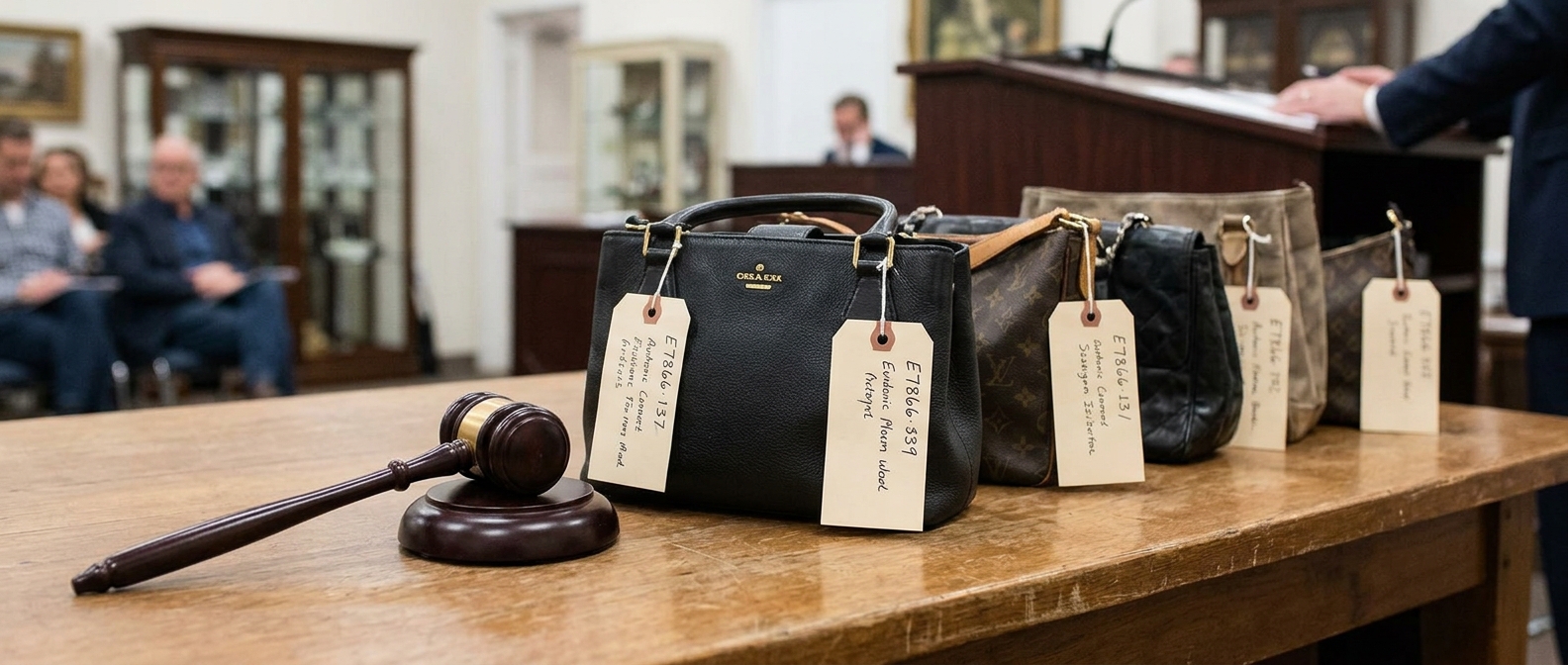
What Exactly Is a Police-Seized Item?
When law enforcement agencies confiscate property connected to a crime, that property doesn't just sit in evidence forever. Once a case closes, unclaimed or forfeited items often get released for public sale. This includes vehicles, electronics, jewelry, and yes, designer handbags.
These items can come from a variety of situations:
- Assets seized during fraud or counterfeiting investigations
- Unclaimed evidence after a case is resolved
- Property forfeited under civil asset forfeiture laws
- Items abandoned in impounded vehicles or storage units
Once processed, many of these bags are routed to public auction houses, government surplus platforms, or specialized liquidation sites.
Why These Auctions Exist in the First Place
Storing seized property costs money. Police departments and federal agencies don't have unlimited warehouse space, so there's a strong incentive to move inventory. Public auctions serve two purposes: they recoup some value for taxpayers, and they clear out evidence rooms that would otherwise overflow.
This isn't a shadowy underground operation. Many of these sales are run through official government contractors or partnered auction platforms that specialize in surplus and forfeited goods.
The Old Way of Finding These Deals Doesn't Work Anymore
A decade ago, finding a police auction meant checking a bulletin board at your local courthouse or waiting for a small classified ad in the newspaper. That approach is mostly obsolete now.
Today, most seized-property auctions have moved online. This shift changed everything:
- Listings update constantly, sometimes daily
- Bidding happens nationally, not just locally
- Photos and item descriptions are more detailed
- Verification and authentication processes have improved
The catch? There's no single central website that lists every auction happening across the country. Different states, counties, and federal agencies each run their own processes, which means the bags you're looking for might be listed somewhere you haven't checked yet.
What Makes These Auctions Different From Regular Resale Sites
Unlike typical secondhand marketplaces, seized-goods auctions often involve items that were never intended for resale by their original owner. That distinction matters for a few reasons.
First, pricing tends to start low, since the goal is often to clear inventory rather than maximize profit. Second, many of these auctions include authentication steps, since agencies want to avoid liability for selling counterfeit goods. Third, the selection changes constantly based on what cases close and what gets released that week.
Tips for Approaching a Seized-Goods Auction
If you're considering bidding on one of these listings, a few practices can help you avoid disappointment:
- Check authentication policies. Reputable auction platforms disclose whether items have been verified as genuine.
- Read condition reports carefully. Seized items may show wear, missing accessories, or damage.
- Understand the bidding structure. Some platforms use traditional ascending bids, others use sealed-bid formats.
- Factor in buyer's premiums and fees. The final price often includes additional charges beyond the winning bid.
- Confirm pickup or shipping logistics. Government auctions don't always offer convenient delivery options.
These small checks can be the difference between landing a genuine discount and ending up with an unexpected headache.
Why Location Changes Everything
Here's where things get interesting. Not every state runs these auctions the same way. Some regions have frequent listings because of higher case volumes or more active forfeiture programs. Others rarely list luxury items at all.
This means the best deals often depend heavily on where you're searching from, and which agencies operate active auction programs near you. A national search won't necessarily surface the local listing that's happening this week in your area, or the specific platform your state's law enforcement partners with.
The Search Intent Pivot
While understanding how these auctions work is a solid starting point, the real opportunity lies in knowing which specific platforms are active right now, and which ones serve your region. Auction schedules shift constantly, listings get pulled once bidding closes, and new inventory appears without much warning.
That's why so many people move from general research straight into targeted searching. Looking into terms like "police auction sites near me" or "government surplus luxury goods auctions" tends to surface the platforms currently listing inventory, rather than outdated directories that haven't been updated in years.
Before You Go Looking
Police-seized luxury bag auctions are real, and they do offer a legitimate path to discounted designer goods. But success depends on knowing where to look, how authentication works, and which platforms are actually active in your area right now.
If this sounds like something worth exploring further, it may help to search for the specific auction platforms and listings currently operating near you. Availability changes often, so what's listed today might look completely different next week.