
Prefab Homes and Chalets: What You Need to Know
Prefab Homes and Chalets: What You Need to Know
Imagine ordering a home the way you'd order furniture, except this one comes with walls, a roof, and a foundation plan. Prefabricated houses and chalets have quietly become one of the most talked-about alternatives to traditional construction. They promise speed, lower costs, and surprising design flexibility. But do they really deliver? Before assuming a prefab home is just a glorified shed kit, it's worth understanding what these structures actually offer, and why so many homeowners are rethinking the way they build.
Why Traditional Construction Is Losing Ground
Building a house the conventional way often means months, sometimes years, of delays. Weather, labor shortages, and supply chain hiccups can turn a dream home into a drawn-out headache.
Prefabricated homes sidestep many of these issues. Because large sections are built indoors in a controlled factory environment, weather delays become almost irrelevant. Labor is centralized, which reduces scheduling conflicts common on traditional job sites.
This shift isn't just about convenience. It reflects a broader change in how people think about homeownership: less waiting, more predictability.
What Exactly Is a Prefab Chalet?
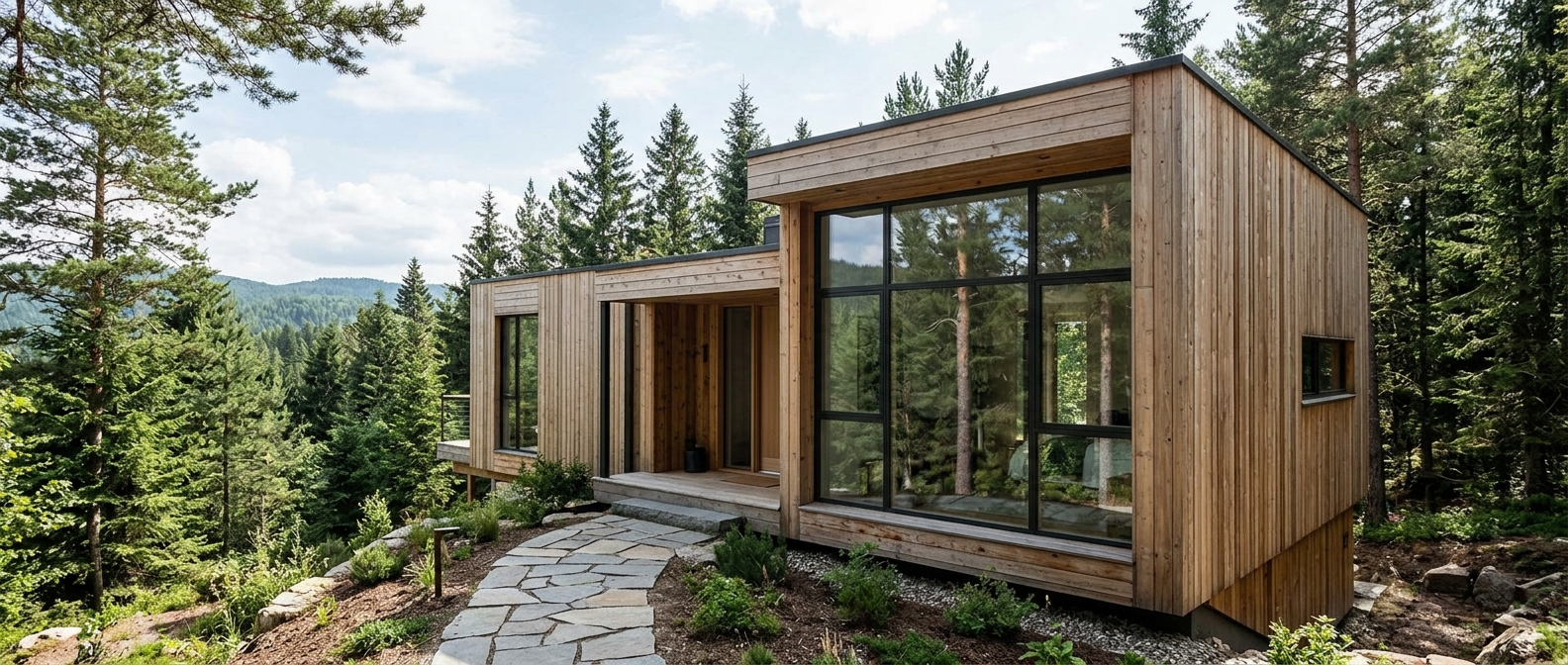
A prefab chalet blends the cozy, timber-framed aesthetic of a traditional mountain cabin with the efficiency of modern manufacturing. Walls, roof trusses, and sometimes entire room modules are constructed off-site, then transported and assembled on the final plot.
Unlike older assumptions about "temporary" or "cheap" housing, many modern prefab chalets are designed for full-time, year-round living. They can include:
- Insulated wall panels suited for cold climates
- Energy-efficient windows and heating systems
- Customizable floor plans, from compact studios to multi-bedroom layouts
- Sustainable materials like engineered wood or recycled insulation
This flexibility is part of why chalets, once a niche vacation-home concept, are now considered viable primary residences.
The Cost Question: Is Prefab Actually Cheaper?
Cost is usually the first question people ask, and the honest answer is: it depends.
Factory production reduces material waste and labor hours, which can lower overall costs compared to traditional builds. However, final pricing varies significantly based on:
- Size and number of rooms
- Level of customization
- Site preparation and foundation work
- Local delivery and assembly logistics
- Regional building codes and permits
Two people in different regions comparing the "same" prefab chalet could end up with very different quotes. That's why generic price lists online rarely tell the full story.
Common Misconceptions That Hold Buyers Back
Many people still associate prefab housing with flimsy construction or limited design options. That reputation is largely outdated.
Modern manufacturing techniques allow for structural standards that meet or exceed many traditional building codes. Insulation, roofing, and framing materials used today are built for durability across different climates, not just mild weather.
Design has also evolved. Buyers can now choose from minimalist cabin styles, Scandinavian-inspired chalets, or multi-level family homes, all using prefabricated construction methods.
What Real Buyers Are Saying
Homeowners who've gone the prefab route often highlight two recurring themes: speed and transparency.
Because much of the home is built in a factory, buyers frequently receive clearer timelines than with traditional contractors. Many also appreciate seeing detailed specifications upfront, rather than discovering costly surprises mid-construction.
That said, experiences vary widely depending on the manufacturer, the complexity of the chosen design, and the specific region where the home will be installed.
Steps to Consider Before Choosing a Prefab Chalet
- Define your climate needs. Insulation requirements differ drastically between mountain regions and milder areas.
- Check local zoning and permit rules. Not all regions treat prefab structures the same as traditional homes.
- Compare delivery and assembly costs. These can sometimes rival the cost of the structure itself.
- Request full specification sheets. Materials, warranties, and energy ratings matter long-term.
- Think about future expansion. Some modular systems allow for added rooms later; others don't.
Why Location and Budget Change Everything
Here's the part most general articles skip: prefab home pricing, available styles, and even legal requirements shift dramatically depending on where you live and what budget range you're working with.
A compact chalet design suited for a mountain plot may require completely different specifications than one intended for a suburban lot. Similarly, manufacturers often serve specific regions, meaning the "best" option in one area may not even be available in another.
This is exactly why generic brochures or one-size-fits-all comparisons fall short. The real answers, accurate pricing, available models, and local building requirements, depend on searching with your specific location and budget in mind.
Moving From Curiosity to Clarity
Prefab homes and chalets offer a compelling alternative to traditional construction, but the details that matter most are rarely universal. Climate, local regulations, and personal budget all shape what's realistic for your situation.
If this overview sparked your interest, the next step is exploring options tailored to your own circumstances. Continue researching based on your region and needs to get a clearer, more accurate picture of what's available to you.