
Heard of Pregnancy Tests? Here's Everything You Should Know
Heard of Pregnancy Tests? Here's Everything You Should Know
You're staring at the calendar, counting days, wondering if that queasy feeling means something. Millions of people have been exactly where you are right now. The good news? Figuring out whether you're pregnant has never been simpler, faster, or more private. But not all pregnancy tests are created equal, and knowing how they actually work can save you from confusion, false hope, or unnecessary panic.
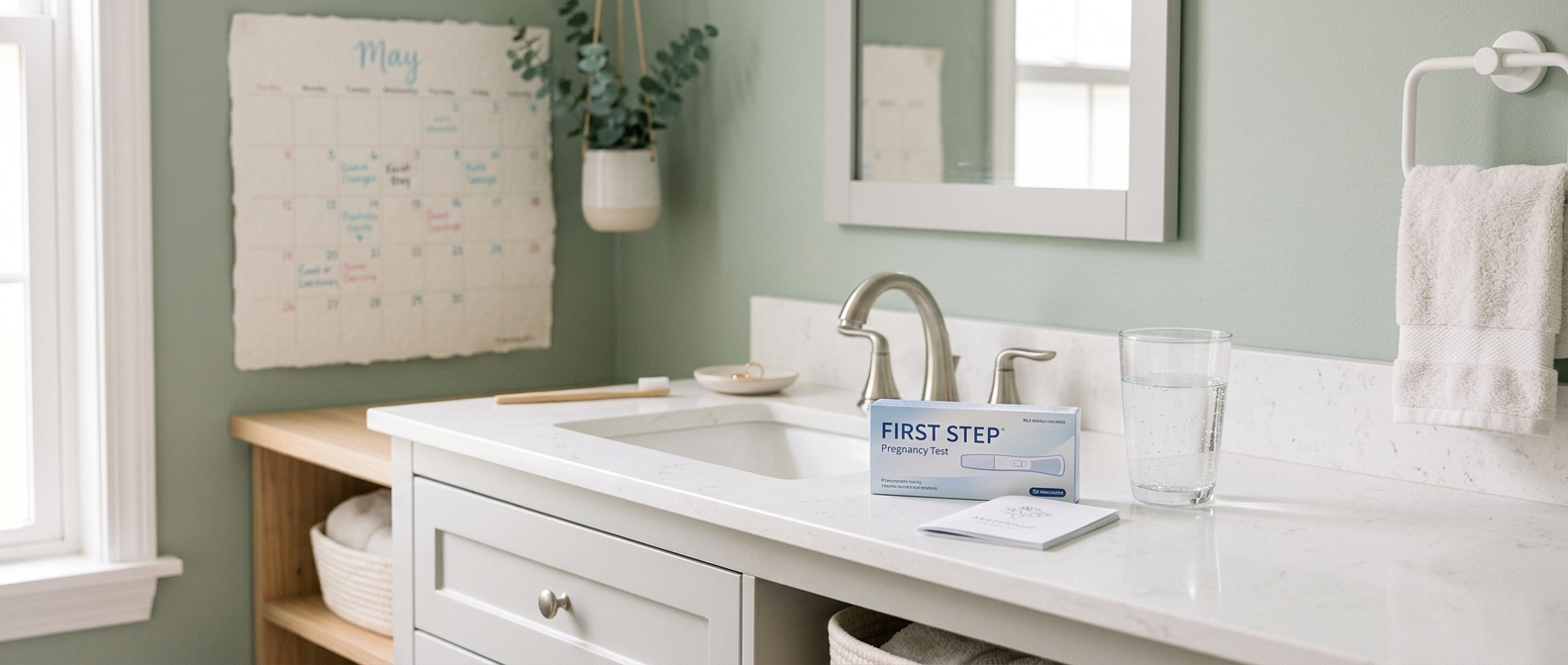
Why So Many People Get Confused About Testing
Pregnancy tests seem simple. Pee on a stick, wait a few minutes, read the result. But in reality, timing, hydration, and even the brand you choose can change your outcome.
Many people test too early, misread faint lines, or don't realize certain medications can interfere with accuracy. This confusion leads to stress that's often completely avoidable once you understand the basics.
How Pregnancy Tests Actually Work
Every home pregnancy test looks for the same thing: a hormone called hCG, or human chorionic gonadotropin. Your body starts producing it shortly after a fertilized egg implants in the uterus.
Here's the general process:
- The test strip contains antibodies that react specifically to hCG.
- If hCG is present in your urine, it binds to these antibodies.
- This triggers a visible line, plus sign, or digital word like "Pregnant."
- No hCG means no reaction, and the test shows a negative result.
It sounds simple because it is. The complexity comes from timing your test correctly.
Timing Matters More Than You Think
hCG levels double roughly every 48 to 72 hours in early pregnancy. Testing too soon, especially before a missed period, often produces a false negative simply because there isn't enough hormone yet to detect.
Most experts recommend waiting until the first day of a missed period for the most reliable results. Testing first thing in the morning also helps, since urine is more concentrated after a full night without drinking fluids.
Not All Tests Are Built the Same
Walk down any pharmacy aisle and you'll see dozens of options. They generally fall into a few categories:
- Standard strip tests - affordable and straightforward, often used by clinics.
- Midstream tests - the classic stick you hold directly in your urine stream.
- Digital tests - display clear words instead of lines, reducing misreads.
- Early-detection tests - designed to catch lower hCG levels a few days before a missed period.
Sensitivity levels vary by brand, measured in mIU/mL. Lower numbers mean the test can detect smaller amounts of hCG, which matters if you're testing early.
What a Faint Line Really Means
This is one of the biggest sources of anxiety. A faint line usually still counts as positive, since any detectable line means hCG is present. However, evaporation lines can appear after the testing window closes, especially if you read the result too late.
Always follow the manufacturer's instructions for the exact reading time. Reading a test outside that window can lead to misinterpretation in either direction.
When Blood Tests Come Into Play
Home tests are convenient, but blood tests ordered by a healthcare provider are more sensitive and can detect pregnancy earlier. They also measure exact hCG levels, which can help track how a pregnancy is progressing or flag potential concerns.
If a home test gives you an unclear or unexpected result, a quick visit to a clinic can offer clarity through bloodwork.
Real Situations That Trip People Up
A few common scenarios cause unnecessary confusion:
- Drinking excessive fluids before testing, which dilutes hCG concentration.
- Testing with expired or improperly stored tests.
- Certain fertility medications containing hCG, which can cause false positives.
- Irregular cycles, making it hard to know when a period is actually "late."
Understanding these variables helps you interpret results with more confidence instead of guessing.
The Search Intent Pivot: Finding What Actually Fits Your Situation
General knowledge only goes so far. The truth is, the best pregnancy test for you depends on factors that are personal: your cycle length, how early you want to test, your budget, and even where you're located, since availability and pricing vary by region and pharmacy.
Some people need the earliest possible detection because of irregular cycles or fertility tracking. Others simply want an affordable, reliable option they can grab at any local store. And if a home test result feels unclear, finding a nearby clinic or understanding what a follow-up blood test involves becomes the next logical step.
This is exactly where searching for more specific, localized information makes the biggest difference. Comparing current test brands, sensitivity levels, nearby clinic options, or typical costs in your area can turn general knowledge into a clear, personal answer.
Moving Forward With Confidence
Pregnancy tests are simple tools, but the details behind them matter. Knowing how hCG works, when to test, and what your results actually mean takes away a lot of the guesswork.
If you still have questions specific to your situation, it's worth exploring more detailed resources or speaking with a healthcare provider. The right information, tailored to your circumstances, is often just one search away.