
Heard of Pregnancy Tests? Here's What You Should Know
Heard of Pregnancy Tests? Here's What You Should Know
You saw the ad. Maybe it stopped your scroll because you've been wondering the same thing: could I be pregnant? Or maybe you're just curious how these little sticks actually work behind the scenes. Either way, pregnancy tests are one of those everyday items that most people use at some point in their lives, yet very few actually understand. There's more to them than "pee on a stick and wait." Let's break down what's really going on, why timing matters so much, and why not all tests are created equal.
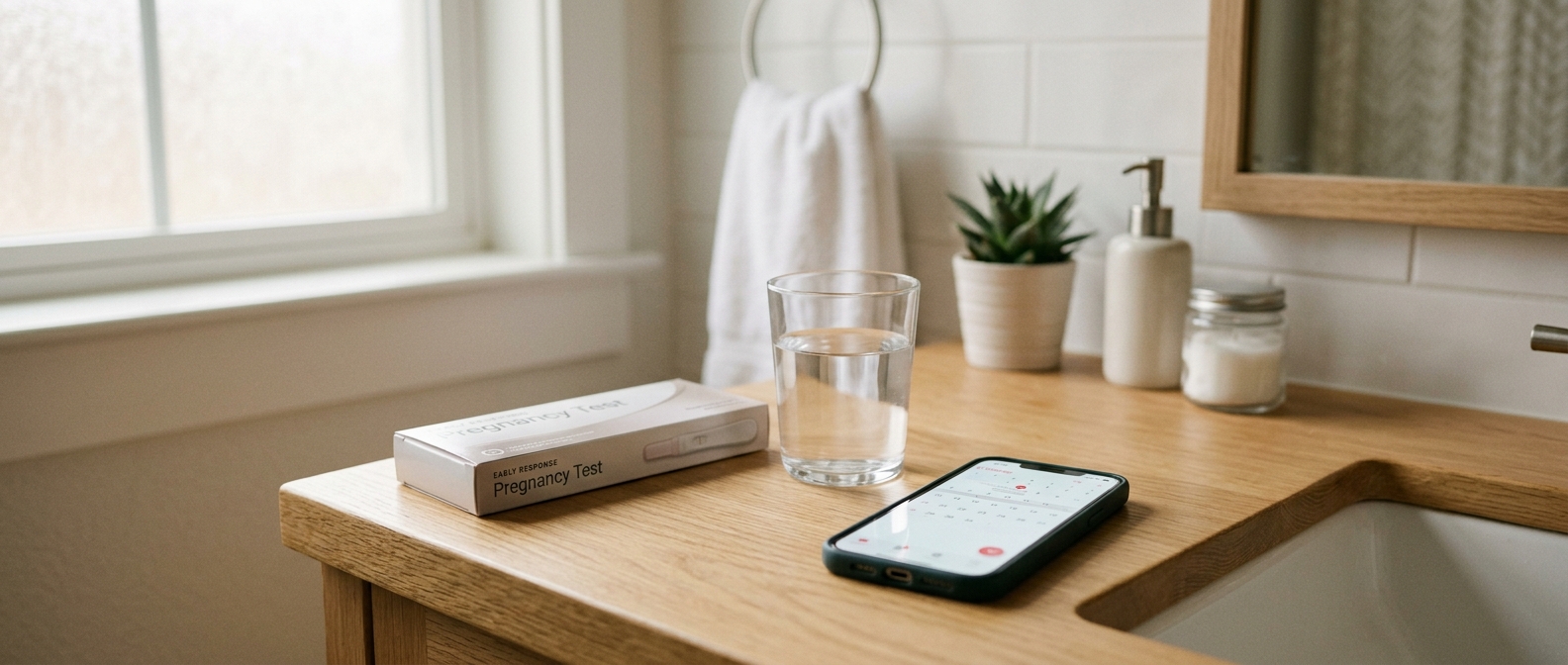
What a Pregnancy Test Is Actually Detecting
Pregnancy tests don't detect pregnancy directly. They detect a hormone called human chorionic gonadotropin, or hCG. This hormone is produced shortly after a fertilized egg implants in the uterine wall.
As pregnancy progresses, hCG levels rise quickly, often doubling every two to three days in early weeks. That's why a test taken too early might miss it, while one taken a week later shows a clear result.
Why Timing Trips So Many People Up
One of the most common reasons for a false negative isn't a faulty test. It's timing. Testing too soon, before hCG has built up enough to be detected, is the number one culprit.
Here's what tends to go wrong:
- Testing the day after a missed period instead of waiting a few days
- Testing at random times instead of first thing in the morning, when urine is most concentrated
- Drinking excess fluids beforehand, which dilutes hormone levels
- Misjudging ovulation dates, especially with irregular cycles
Even a day or two can make a real difference in accuracy.
Not All Tests Work the Same Way
There are two broad categories worth knowing about:
- Urine-based home tests - widely available, affordable, and designed for early home screening.
- Blood tests done in a clinical setting - these can detect hCG earlier and measure exact levels, which matters for tracking a pregnancy's progress.
Home tests also vary in sensitivity. Some are designed to detect pregnancy several days before a missed period, while others are only reliable once a period is late. Reading the fine print on sensitivity levels actually matters.
Digital vs. Traditional Line Tests
Line tests show one or two lines, and the faintness of a line can sometimes cause confusion. Digital tests remove that guesswork by displaying a plain "pregnant" or "not pregnant" result.
Digital versions tend to cost more, but for many people, the clarity is worth it, especially when a faint line leaves room for doubt.
Common Myths Worth Retiring
A lot of misinformation circulates about pregnancy tests. A few worth addressing:
- Myth: A more expensive test is always more accurate. In reality, sensitivity and timing matter more than price.
- Myth: You can only test in the morning. While mornings offer more concentrated urine, many tests work at other times too, just with slightly less reliability.
- Myth: Certain medications always cause false positives. This is rare and typically only applies to specific fertility treatments containing hCG.
When a Test Result Doesn't Match Your Symptoms
Sometimes a test says negative, but symptoms like fatigue, nausea, or a missed period suggest otherwise. This is a common and confusing situation.
In these cases, retesting after a few days or considering a blood test through a healthcare provider often clears up the uncertainty. It's also worth remembering that stress, hormonal shifts, and other health conditions can mimic early pregnancy symptoms.
The Search Intent Pivot: Why Local and Personal Factors Matter
Here's the part that generic advice can't fully cover. The right pregnancy test for your situation depends on a few personal factors: how irregular your cycle is, how early you want a result, your budget, and even what's actually available near you.
Some pharmacies carry ultra-early detection tests, while others mostly stock standard ones. Prices can vary noticeably between brands and retailers. And if home testing keeps giving unclear answers, understanding what a clinical blood test involves, and where to get one nearby, becomes the next logical step.
This is exactly the kind of detail that's worth looking into directly, since availability, pricing, and testing options differ depending on where you are and what your specific situation looks like.
A Few Practical Tips Before You Test
- Wait until at least the first day of a missed period for the most reliable results
- Test first thing in the morning when possible
- Avoid drinking excessive fluids right before testing
- Read the instructions fully, timing for reading results matters
- If unsure, retest in 48 to 72 hours
Final Thoughts
Pregnancy tests seem simple on the surface, but there's real science and real nuance behind getting an accurate result. Understanding hCG, timing, and test types can save a lot of unnecessary stress and confusion.
If you're trying to figure out which type of test fits your situation, or want to compare accuracy, pricing, and early-detection options, it's worth digging a little deeper into what's currently available. The right information, tailored to your circumstances, is usually just a search away.