
Reduce Eye Bags Naturally At Home - Learn More
Reduce Eye Bags Naturally At Home - Learn More
You catch your reflection in the mirror and there they are again: puffy, tired-looking bags under your eyes that make you look like you haven't slept in days, even when you have. You've tried concealer, cold spoons, and cucumber slices, but by mid-morning, the puffiness is back. If this sounds familiar, you're not alone, and the good news is that understanding why eye bags form is the first step to actually reducing them.
Why Eye Bags Show Up In The First Place
Eye bags aren't just a sign of a rough night. The skin under your eyes is thinner and more delicate than skin anywhere else on your face. Over time, it can lose elasticity, allowing fat and fluid to pool and create that puffy look.
Several everyday factors make this worse:
- Lack of quality sleep or irregular sleep schedules
- Excess salt intake, which causes water retention
- Allergies that trigger inflammation around the eyes
- Genetics, since some people are simply predisposed to under-eye puffiness
- Natural aging, which weakens the muscles supporting the eye area
Understanding your specific trigger matters. A late-night salty snack causes a different kind of puffiness than genetic under-eye bags, and the fix isn't always the same.
Why Quick Fixes Often Fall Short
Cold spoons, tea bags, and cucumber slices can offer temporary relief by constricting blood vessels and reducing swelling for an hour or two. But they don't address the underlying cause, so the puffiness tends to return.
Many people also reach for expensive eye creams without knowing which ingredients actually make a difference. Not all formulas are created equal, and what works for fine lines won't necessarily work for puffiness or dark circles.
Simple At-Home Habits That Can Help
Before exploring more targeted treatments, small daily adjustments can make a noticeable difference over time:
- Elevate your head while sleeping. An extra pillow can prevent fluid from pooling under your eyes overnight.
- Stay hydrated. Ironically, drinking more water can reduce water retention caused by dehydration.
- Cut back on sodium. Less salt means less fluid retention in the face.
- Manage allergies. If seasonal allergies are a trigger, addressing them can reduce under-eye swelling.
- Gentle massage. Lightly tapping or massaging the under-eye area can help stimulate lymphatic drainage.
These habits are a solid foundation, but they often work best alongside targeted products or treatments designed specifically for the under-eye area.
What To Look For In Targeted Treatments
If lifestyle changes alone aren't cutting it, certain ingredients and treatment types are known for targeting puffiness and under-eye bags more directly:
- Caffeine-based eye creams, which can temporarily tighten skin and reduce swelling
- Retinol formulas, which may improve skin thickness and elasticity over time
- Vitamin C serums, which can brighten the area and support collagen production
- Hyaluronic acid, which hydrates without adding puffiness
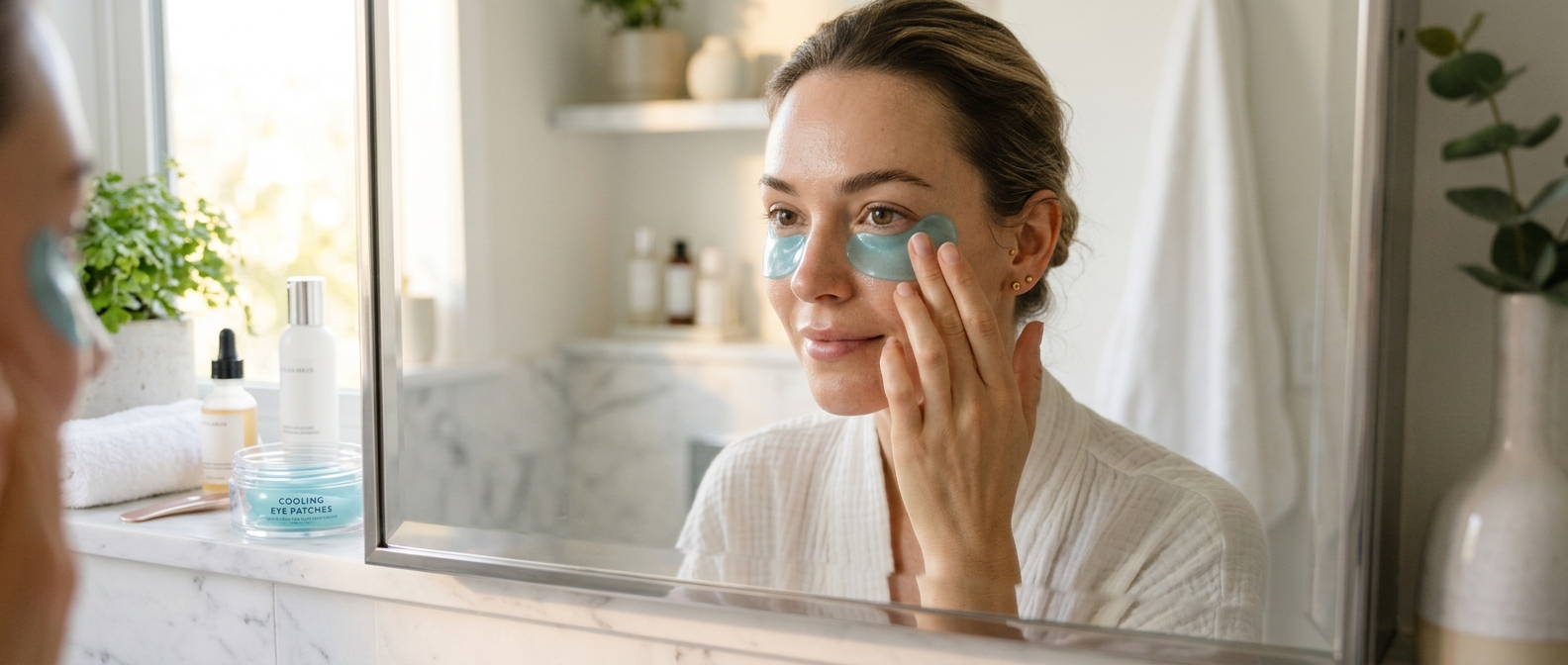
- Cooling eye masks or patches designed for repeated use
The challenge is that the market is flooded with options, and not every product is formulated the same way or at the right concentration to be effective. This is where many people get stuck, trying product after product without real results.
Why Personalized Research Matters
Skin type, age, the root cause of your puffiness, and even your budget all affect which solution will actually work for you. A 25-year-old dealing with occasional puffiness from allergies needs a different approach than someone in their 50s managing age-related under-eye bags.
This is why broad advice can only take you so far. The most effective next step is looking into specific, well-reviewed treatments and products that match your exact situation, whether that means in-office procedures, dermatologist-recommended creams, or highly rated at-home devices.
The Search Intent Pivot
While these home remedies and habits can help reduce puffiness over time, the most effective solution often depends on your specific skin type, the underlying cause of your eye bags, and what's available in your area. Many people find that researching current treatment options, from dermatologist-approved creams to in-office procedures, gives them a clearer picture of what will actually work for their situation. Looking into reviews, ingredient lists, and local specialists can help narrow down the choices that fit your needs and budget.
Moving Forward With Confidence
Eye bags are common, and you're far from the only one dealing with them. The key is moving past generic tips and finding the approach that's right for your skin, lifestyle, and goals. Taking the time to explore your options, compare products, and understand what's driving your particular case can make all the difference in finally seeing results in the mirror.