
Rent-to-Own Cars: A Smart Path to Ownership?
Scrolling through your feed, you've probably seen the ads: drive a car today, own it tomorrow, no huge down payment required. Rent-to-own car programs sound like the answer for anyone with shaky credit or an empty savings account. But before you get excited about skipping the traditional dealership grind, it's worth understanding how these arrangements actually work, and where they can go wrong.
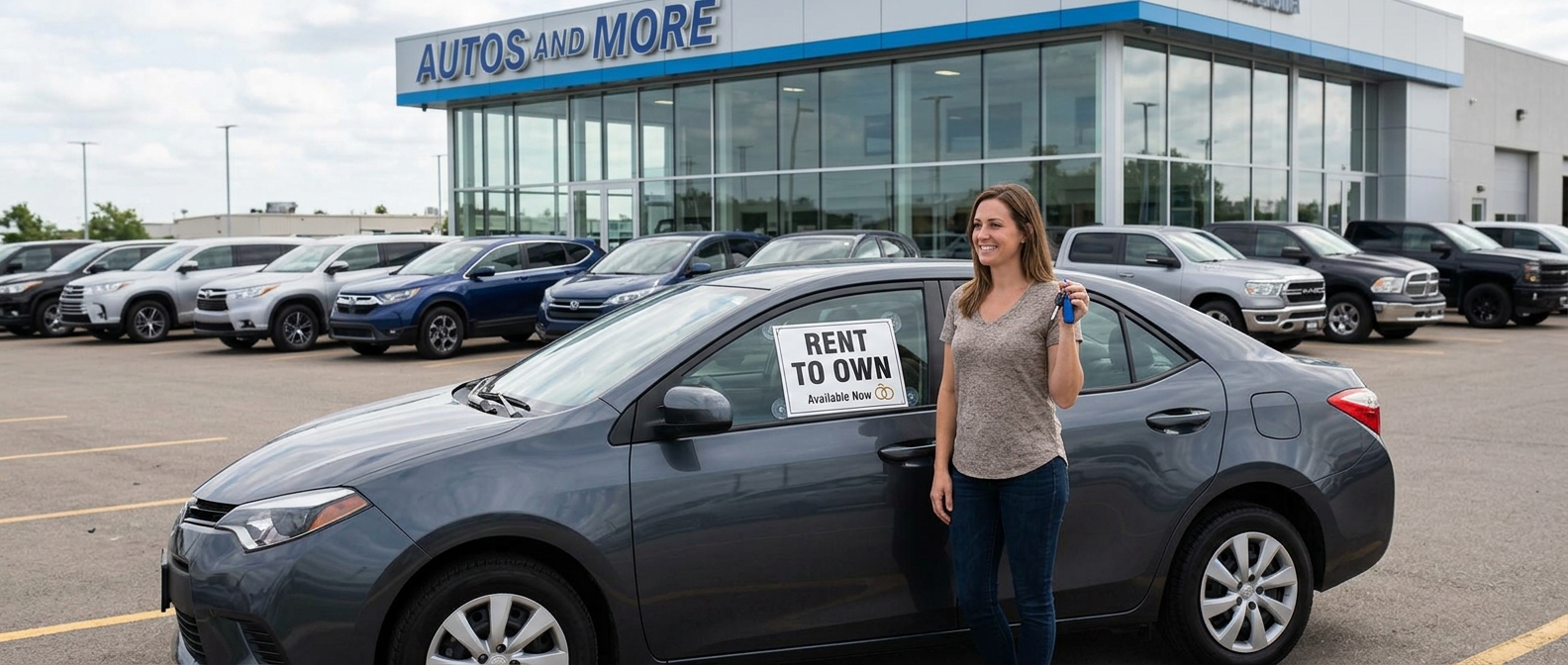
The Problem With Traditional Car Financing
Buying a car the conventional way usually means one of two things: a hefty down payment or a strict credit check. For millions of people, both are out of reach. A late payment from years ago, a thin credit file, or simply not having thousands saved up can shut the door on getting behind the wheel of a reliable vehicle.
This is exactly the gap rent-to-own programs try to fill. They advertise themselves as an alternative path, one that skips the bank entirely.
Why the Old Rules Don't Always Apply
Traditional auto loans are built around your credit score. Rent-to-own agreements work differently. Instead of borrowing money to buy a car outright, you're renting it with the option to eventually own it once you've made enough payments.
On paper, this sounds simple. In practice, the details matter a lot:
- Some contracts count every payment toward ownership.
- Others only apply a portion, with the rest treated as a rental fee.
- Total costs can end up higher than a standard auto loan once fees are added.
Reading the fine print isn't optional here. It's the difference between building equity in a car and simply renting one indefinitely.
How These Agreements Typically Work
Most rent-to-own car deals follow a similar structure:
- You choose a vehicle from a participating dealer or program.
- You sign an agreement outlining weekly or monthly payments.
- A portion of each payment may go toward the eventual purchase price.
- After a set period, or once the total is paid, you have the option to take full ownership.
Some programs also fold in maintenance or insurance costs into the payment. Others don't, which means your monthly budget needs to account for those extras separately.
Who Tends to Benefit Most
These arrangements aren't for everyone, but they can make sense for specific situations:
- People rebuilding credit after a financial setback.
- Those who need a vehicle quickly for work or family reasons.
- Buyers who don't yet qualify for standard financing but expect their situation to improve.
For these buyers, rent-to-own can act as a bridge, a way to get mobile now while working toward a stronger financial position later.
What to Watch Out For
Not all rent-to-own programs are created equal. Some red flags worth knowing:
- Vague language about how much of your payment builds toward ownership.
- High markup on the vehicle's price compared to its market value.
- Limited or no warranty on a used vehicle.
- Penalties for early payoff, which defeats the purpose of paying it off sooner.
A little research before signing can save thousands over the life of the agreement.
Real Situations, Real Trade-Offs
Consider someone who needs a car immediately for a new job but has no credit history. A rent-to-own arrangement might get them driving within days, versus weeks of loan applications and rejections elsewhere. The trade-off: they may pay more over time than someone with strong credit securing a traditional loan.
On the other hand, someone with decent credit who simply prefers flexibility, no long-term loan commitment, the option to walk away, might also choose this path deliberately, not out of necessity.
The Search Intent Pivot
General tips only go so far. The real answer to whether rent-to-own makes sense for you depends heavily on things that vary by location: which dealers or programs operate near you, what state regulations apply to these contracts, and what current terms and pricing look like in your area right now.
That's why it helps to look into rent-to-own car options available specifically where you live, along with current program terms, since offers and regulations can differ significantly from one region to another.
Before You Decide
Rent-to-own car programs aren't a universal solution, but they aren't a scam either. They're a tool, useful for some situations, unnecessary for others. The key is understanding exactly what you're signing, what it costs over time, and whether it truly fits your circumstances.
Taking a closer look at the specific programs and terms available in your area is the next step toward making an informed decision.