
Rent-to-Own Trailers: A Smart Path to Ownership?
Scrolling through your feed, you've probably seen the ad: a shiny trailer, a bold promise, and a simple question - why buy outright when you could rent to own? For anyone who needs a trailer but doesn't want to drain their savings account, this idea sounds almost too good to be true. But is it actually a smart financial move, or just clever marketing?
The Problem With Traditional Trailer Buying
Buying a trailer the old-fashioned way usually means one of two things: paying a large lump sum upfront, or taking out a traditional loan with strict credit requirements. Neither option works for everyone.
Many people need a trailer right now - for moving, hauling equipment, starting a small business, or transporting livestock - but simply don't have thousands of dollars sitting in a bank account. Others have less-than-perfect credit and get turned away by conventional lenders.
This gap between "I need a trailer" and "I can afford a trailer" is exactly where frustration builds. And it's exactly why alternative financing options have grown so popular in recent years.
What Rent-to-Own Actually Means
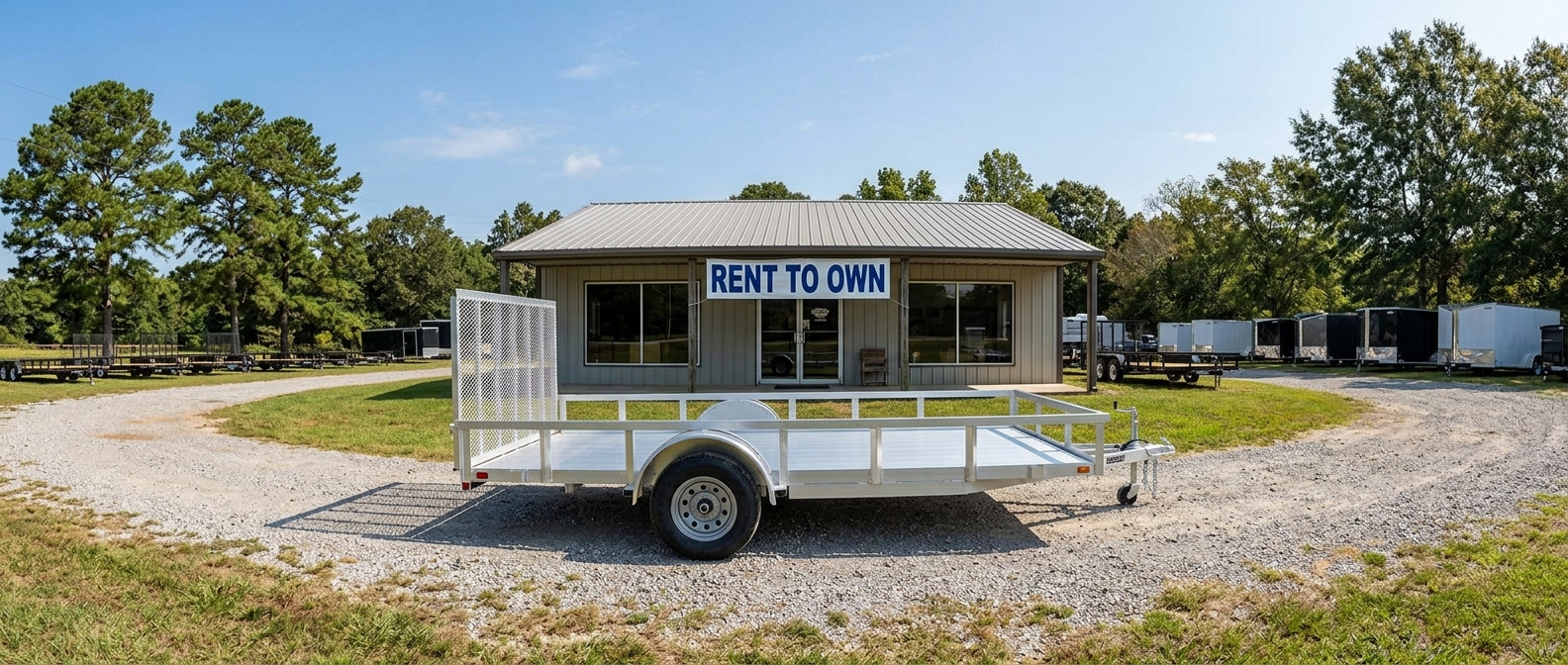
Rent-to-own trailer programs work differently from a standard loan. Instead of borrowing money from a bank, you enter an agreement directly with a dealer or leasing company. You make regular payments - often weekly or monthly - and a portion of those payments goes toward eventual ownership of the trailer.
At the end of the agreed term, the trailer is yours, free and clear. No balloon payment, no surprise fees (if you read the contract carefully), and often no credit check at all.
This structure appeals to a wide range of buyers:
- Small business owners who need equipment fast
- Farmers and ranchers needing utility or livestock trailers
- DIYers and movers who need cargo or enclosed trailers
- People rebuilding their credit after financial setbacks
Why Old-School Financing Often Falls Short
Traditional auto and trailer loans are built around credit scores. If your score isn't high enough, you're either denied outright or offered an interest rate so steep it barely makes sense to borrow at all.
On top of that, banks can take days or weeks to approve financing. If you need a trailer this week - not next month - that delay can cost you jobs, deals, or opportunities.
Rent-to-own sidesteps both problems. Approval is typically fast, sometimes same-day, and the underwriting criteria tend to be far more flexible than a bank's.
What to Watch Out For
Like any financing option, rent-to-own isn't automatically the best deal for everyone. A few things are worth considering before signing anything:
- Total cost over time. Because payments are spread out, the total amount paid can end up higher than a cash purchase.
- Contract terms vary widely. Some agreements include maintenance responsibilities, mileage limits, or early payoff penalties.
- Not all dealers are equal. Reputation, trailer quality, and customer service differ significantly from one provider to the next.
Reading the fine print - and comparing more than one offer - makes a real difference in whether rent-to-own works in your favor.
How People Are Actually Using This Option
Rent-to-own trailers aren't a niche product anymore. Landscapers use them to add equipment-hauling capacity without a big upfront investment. Small delivery businesses use enclosed cargo trailers to expand operations gradually. Weekend hobbyists use utility trailers for hauling ATVs, boats, or building materials, paying them off over a season or two.
The common thread is flexibility. Instead of committing a large sum of cash immediately, buyers get to "test drive" ownership while spreading out the financial impact.
The Search Intent Pivot: Why Location and Budget Matter
Here's the part that most generic articles skip: rent-to-own trailer terms are rarely one-size-fits-all. Availability, pricing, contract length, and even trailer types differ significantly depending on where you live and which dealers operate nearby.
A rent-to-own utility trailer offer in one state might include vastly different payment terms than a similar offer just a few hundred miles away. Some regions have more competition among dealers, which can drive better terms. Others have limited options, meaning it pays to look further afield or online.
Your budget matters just as much. A weekly payment plan that works for a landscaping business might not make sense for someone hauling a trailer twice a year. That's why the smartest next step isn't just reading more general advice - it's looking into rent-to-own trailer options specific to your area, your trailer type, and your price range.
Final Thoughts
Rent-to-own trailers can be a genuinely useful path to ownership for people who need flexibility, speed, or a break from traditional credit requirements. But like any financial commitment, the details matter more than the pitch.
If this option sounds like it could fit your situation, it's worth digging deeper into the specific programs, dealers, and trailer types available near you. The right fit depends entirely on your own circumstances - so a little research now can save a lot of hassle later.