
Russian Full Body Massage: What You Need to Know
Russian Full Body Massage: What You Need to Know Before You Book
If you've ever left a massage feeling like it barely scratched the surface, you're not alone. Russian full body massage is a different experience entirely - one built on deep therapeutic tradition, systematic technique, and a results-driven approach that goes far beyond simple relaxation. Whether you're dealing with chronic muscle tension, stress, or just looking for a more thorough treatment, understanding what Russian massage actually offers could change the way you think about bodywork.
What Makes Russian Massage Different?
Russian massage developed as a clinical and sports therapy discipline - not a luxury spa treatment. Rooted in 19th-century medical science and further refined through Soviet-era sports programs, it focuses on the physiological effects of touch on the body's systems. Unlike some styles that prioritize ambiance over results, Russian massage is structured, methodical, and goal-oriented. Therapists are trained to work with the nervous system, lymphatic flow, and muscular tissue in a precise sequence designed to maximize therapeutic benefit.
The Full Body Approach: Why It Matters
A full body Russian massage covers all major muscle groups from head to foot - not just the areas that feel sore. This matters because tension in one part of the body often originates elsewhere. For example, lower back pain is frequently connected to tight hamstrings or hip flexors. By treating the whole body in a single session, Russian massage addresses root causes rather than just symptoms. Sessions typically range from 60 to 90 minutes and follow a consistent anatomical sequence to ensure nothing is missed.
Core Techniques Used in Russian Massage
Russian massage relies on a defined set of manual techniques, each with a specific physiological purpose:
- Effleurage (stroking): Warms up the tissue and promotes circulation to prepare muscles for deeper work.
- Petrissage (kneading): Lifts and compresses muscle tissue to release deep-seated tension and improve flexibility.
- Friction: Targets specific adhesions and scar tissue with focused, circular pressure.
- Tapotement (percussion): Stimulates the nervous system and increases blood flow to tired or underactive muscles.
- Vibration: Calms nerve endings and helps reduce muscular spasms or chronic stiffness.
These techniques are applied in a specific order and adjusted to the individual client's condition, making every session both systematic and personalized.
Who Can Benefit Most?
Russian full body massage is particularly well-suited for:
- People with chronic muscle tension, back pain, or postural issues
- Athletes recovering from training or competition
- Office workers experiencing neck, shoulder, or lower back stiffness
- Anyone recovering from physical fatigue or high-stress periods
- Individuals seeking a more therapeutic alternative to standard spa massage
It's not exclusively a treatment for those with physical complaints - many people choose Russian massage simply because they find it more effective and longer-lasting than other styles.
What to Expect During a Session
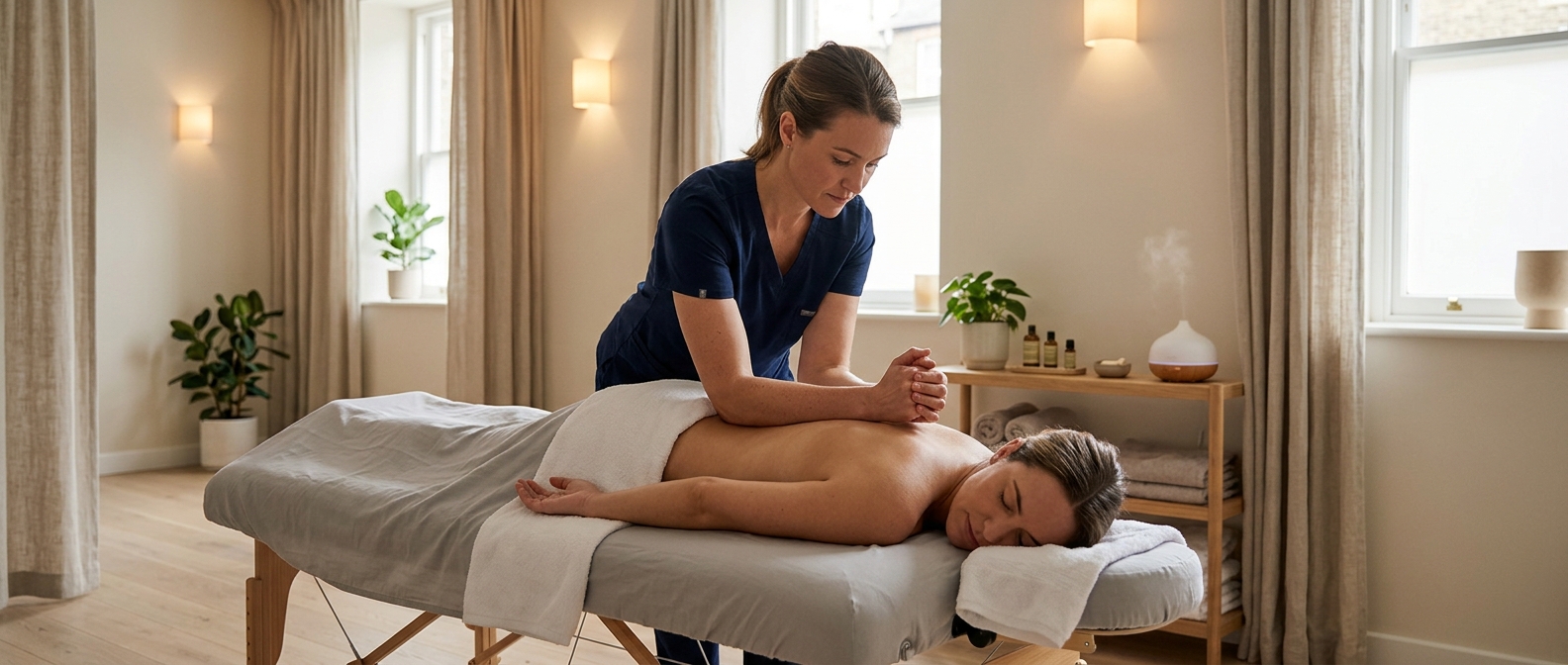
A typical Russian full body massage session begins with a brief consultation. The therapist will ask about any areas of concern, medical history, and your desired outcomes. Unlike some massage styles where you remain partially clothed, Russian massage is traditionally performed with the client draped and the therapist working one area at a time. Pressure is firm but never reckless - communication between client and therapist is encouraged throughout. You should leave feeling noticeably looser, more relaxed, and often with improved range of motion.
How Often Should You Get One?
For general wellness and stress management, many people find that one session every two to four weeks is sufficient. For those addressing specific muscle issues or recovering from physical strain, weekly sessions may be recommended initially, tapering off as the condition improves. Unlike some treatments that offer only temporary relief, regular Russian massage can produce cumulative benefits - meaning the more consistently you go, the more lasting the results tend to be.
Finding the Right Therapist
Not every massage therapist offers genuine Russian technique. When searching for a provider, look for practitioners who have specific training in Russian or Eastern European therapeutic massage methods. Credentials, client reviews, and a willingness to discuss technique and goals during consultation are all good indicators of a qualified professional. Pricing can vary significantly based on location, session length, and therapist experience - so it's worth doing your research before booking.
The Search Intent Pivot: Finding Services Near You
While the principles of Russian full body massage are consistent, the quality, availability, and pricing of services can vary considerably depending on where you live. A skilled therapist in one city may offer an entirely different experience - and price point - than one in another. Factors like local competition, therapist specialization, and even cultural familiarity with Russian techniques all play a role. That's why finding the right provider often comes down to searching specifically for what's available in your area, comparing options, and reading reviews from real clients.
Russian full body massage is one of the most thorough and effective forms of manual therapy available - but the experience is only as good as the therapist delivering it. Take the time to explore your local options, ask the right questions, and invest in a practitioner who understands both the tradition and your individual needs. Your body will thank you for it.