
Scholarships to Study in South Korea: What You Need to Know
Scholarships to Study in South Korea: What You Need to Know
South Korea has become one of the most talked-about study destinations in the world. Between its cutting-edge universities, booming tech industry, and global cultural influence, it's no surprise that thousands of students dream of studying there each year. But there's one question that stops most people before they even start: how do you pay for it? The good news is that scholarships exist to cover tuition, housing, and even monthly living expenses. The challenge is knowing where to look and how to qualify.
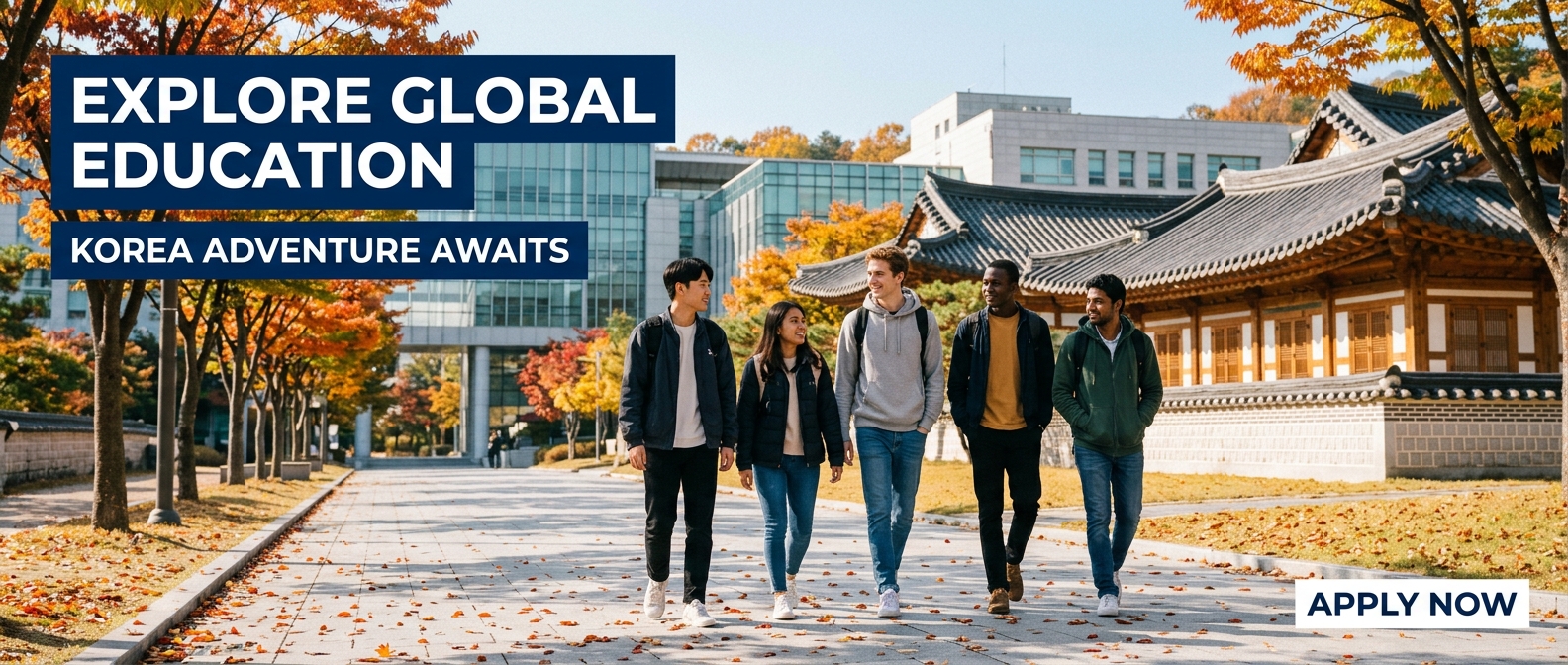
Why South Korea Is Attracting So Many International Students
South Korea's universities have climbed global rankings quickly over the past decade. Schools like Seoul National University and KAIST are now recognized internationally for engineering, technology, and business programs.
Add to that a relatively lower cost of living compared to the US or UK, plus a rich cultural scene, and it's easy to see the appeal. Students aren't just chasing a degree. They're chasing an experience.
The Real Problem: Funding Gets Complicated Fast
Here's where things get tricky. Unlike domestic financial aid systems that many students are used to, international scholarship programs for Korea come from multiple sources:
- The Korean government directly
- Individual universities
- Private foundations and corporations
- Bilateral agreements between Korea and other countries
Each of these has different deadlines, eligibility rules, and application processes. Miss one detail and you could lose out on funding that would have otherwise covered your entire degree.
Why Generic Advice Doesn't Work Here
A lot of students make the mistake of searching broadly for "study abroad scholarships" and applying to whatever pops up first. That approach rarely works for Korea specifically.
Korean scholarship programs often have unique requirements tied to language proficiency, chosen field of study, or even the applicant's home country. A scholarship that's perfect for a student from Southeast Asia might not even be open to applicants from Europe or Latin America.
What Successful Applicants Do Differently
Students who actually land these scholarships tend to follow a few consistent habits:
- They start researching at least a year before their intended enrollment date.
- They apply to multiple programs instead of pinning hopes on just one.
- They pay close attention to language requirements, since some programs demand Korean proficiency while others are fully in English.
- They tailor their personal statements to each specific program instead of using a generic template.
This kind of preparation takes time, but it dramatically increases the odds of success.
Government-Backed Programs Are Often the Most Comprehensive
Some of the most well-known funding options come directly from the Korean government and are designed to attract top international talent. These programs typically cover:
- Full or partial tuition
- Monthly stipends for living expenses
- Airfare to and from Korea
- Korean language training before the academic program begins
These government-sponsored opportunities are competitive, but they exist precisely because Korea wants to build long-term academic and diplomatic relationships through education.
University-Specific Aid Shouldn't Be Overlooked
Beyond national programs, individual universities in Korea also offer their own scholarships to international students. These can range from partial tuition waivers to full-ride packages, depending on the institution and the applicant's academic profile.
The catch is that these opportunities are rarely advertised widely outside of Korea. They tend to be listed on individual university admissions pages, which means students need to know exactly which schools to check.
Timing Can Make or Break Your Application
One detail that trips up a lot of applicants is timing. Korean academic calendars and application windows don't always match what students expect from their home countries.
Many scholarship deadlines fall six to twelve months before the semester actually starts. Students who wait until a few months out often find that the best-funded programs have already closed applications.
The Search Intent Pivot
While understanding the general scholarship landscape is a great starting point, the real value comes from finding programs that match your specific academic background, nationality, and target university. Scholarship eligibility can vary dramatically depending on your field of study, whether you're pursuing undergraduate or graduate studies, and even your country of origin.
This is where it makes sense to look into current, detailed listings of scholarships to study in South Korea. These searches can surface options tailored to your exact situation, including deadlines, funding amounts, and application requirements that generic guides simply can't provide.
Moving Forward With Confidence
Studying in South Korea is more accessible than most people assume, especially once you understand how the funding landscape actually works. The opportunities are there. They just require the right kind of research to uncover.
If this overview has sparked your interest, it may be worth exploring more specific and current information about scholarship programs available in South Korea today. The right search could be the first step toward turning this possibility into a real plan.