
How to Get a Scholarship to Study in Seoul
Seoul is one of the most exciting student cities in the world. World-class universities, a booming tech and culture scene, and a cost of living that can actually be lower than back home. The only question most students ask is: can I actually afford it? The answer, for many international students from the US, Europe, Canada, Australia, and New Zealand, is a confident yes - if you know where to look.
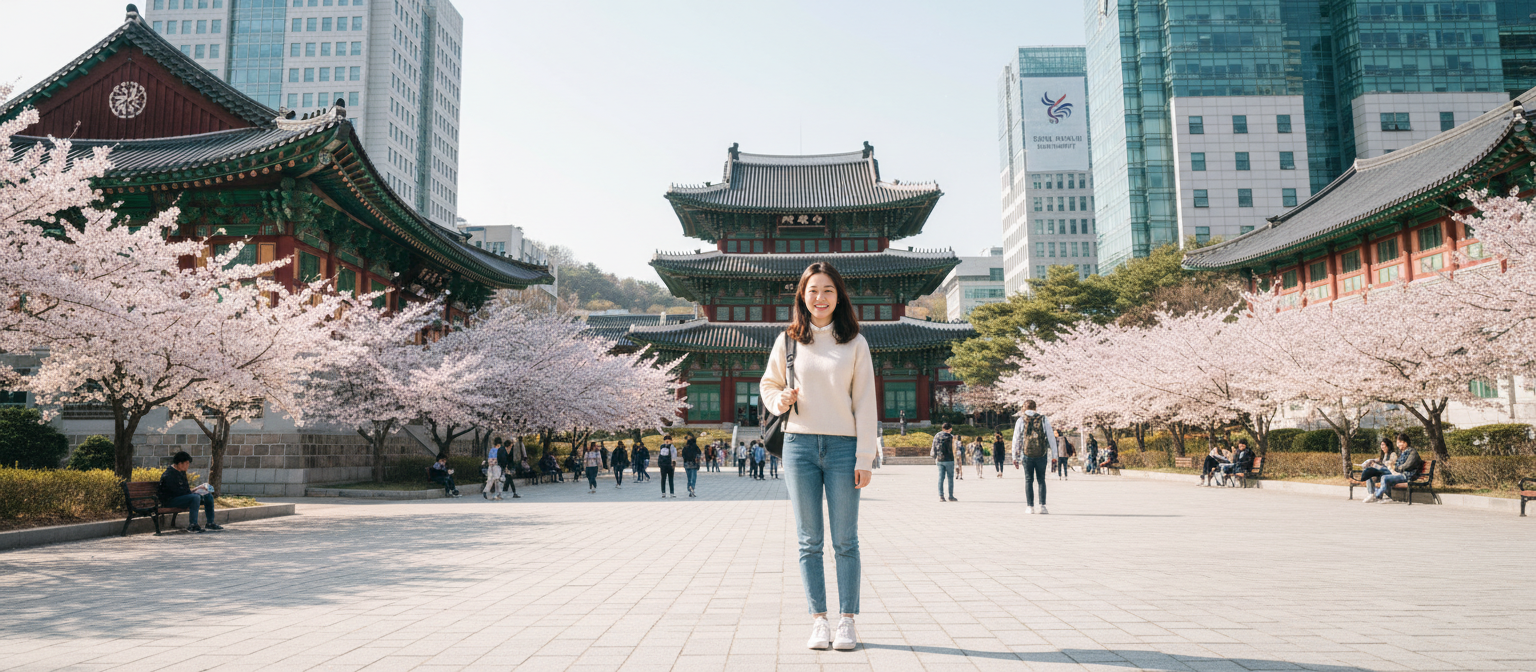 Why Seoul Is on Every Student's Radar Right Now
South Korea has invested heavily in attracting global talent. Seoul alone is home to some of Asia's most respected institutions - Seoul National University (SNU), Yonsei University, and Korea University - collectively known as the "SKY" universities. These schools consistently rank among the top universities globally, and they actively fund international students to attend.
Beyond academics, students are drawn to Seoul for its culture, cuisine, safety, and connectivity. It's a city that rewards curiosity - exactly the kind of mindset that earns scholarships.
The Global Korea Scholarship (GKS): The Big One
The most prestigious and comprehensive funding option for international students is the Global Korea Scholarship (GKS), funded directly by the South Korean government. This is not a partial grant - it is a full-ride scholarship that includes:
- Full tuition coverage for the duration of your degree
- A monthly living stipend of over 900,000 KRW (approximately $650-$700 USD)
- Round-trip airfare to and from South Korea
- A one-time settlement allowance upon arrival
- One full year of Korean language training (even if your program is taught in English)
- Medical insurance coverage
The GKS is available for both undergraduate and graduate (Master's and PhD) applicants. Applications can be submitted through two routes: the Embassy Track (through your home country's Korean embassy) or the University Track (applied directly to the university). Each has slightly different timelines, so it pays to check both options.
University-Level Scholarships Worth Knowing About
Beyond the government scholarship, Seoul's top universities run their own merit-based programs. Here are the most notable ones for 2026:
- Yonsei University - UIC Admissions Scholarship: Top international applicants to the Underwood International College are automatically considered for full four-year tuition coverage. No separate application needed.
- Yonsei University - Global Leader Fellowship: A graduate-level scholarship covering full tuition plus a monthly stipend, specifically targeting high-achieving master's and PhD candidates.
- Korea University - Global KU Scholarship: Merit-based tuition waivers for top-scoring international undergraduate applicants, with continued support tied to academic performance.
- Korea University - SK Global Scholarship: Full tuition and stipend for graduate students pursuing studies in AI, IT, or Semiconductor Engineering - a highly competitive but targeted opportunity.
- Seoul National University - Glo-Harmony Scholarship: A prestigious award covering full tuition and a monthly stipend for selected international undergraduates.
Region-Specific Options for Students in the US, Europe, Canada & Australia
Your home country may offer its own bridge scholarships to help fund a degree or exchange semester in Seoul:
- US Students: The Fulbright U.S. Student Program periodically supports students pursuing graduate study or research in South Korea. Additionally, The Korea Society offers undergraduate travel grants of up to $2,000 for students studying in Korea.
- European Students: The ASEM-DUO Fellowship provides around €4,000 for a one-semester exchange to Korea for students from ASEM member countries (France, Germany, UK, etc.). Applications go through your home university.
- Australian Students: The New Colombo Plan (NCP) Scholarship is a prestigious government award covering tuition, travel, and a living allowance for Australian students studying in the Indo-Pacific region, which includes South Korea.
- Canadian Students: The Korean Canadian Scholarship Foundation (KCSF) supports students pursuing Korean studies or with ties to the Korean community. Government exchange agreements also make GKS the primary route for Canadian applicants.
What Do Scholarship Committees Actually Look For?
Scholarships to study in Seoul are competitive, but they are not out of reach for the well-prepared applicant. Here is what most programs prioritize:
- Academic excellence: A strong GPA is the baseline, typically 3.0 or above on a 4.0 scale, though top scholarships expect significantly higher.
- A clear study purpose: Most programs ask for a Study Plan or Statement of Purpose. Vague answers don't win scholarships. Be specific about your research goals, career path, and why South Korea is the right place to pursue them.
- Language preparation: While many programs in Seoul are taught in English, demonstrating even basic Korean language interest shows commitment and often strengthens your application.
- Letters of recommendation: Strong academic references from professors or mentors who can speak directly to your abilities carry significant weight.
- Community and leadership: Extracurricular involvement, research experience, or demonstrated leadership in your field of study can help differentiate your application.
Common Mistakes That Cost Applicants Their Scholarship
Many well-qualified students miss out simply due to avoidable errors. The most common pitfalls include:
- Applying only through one route (Embassy or University) without checking if both are available
- Missing document requirements - especially certified translations
- Writing a generic personal statement instead of a tailored, program-specific one
- Waiting until the last minute - scholarship windows for Seoul's top universities typically open in early spring for fall enrollment
- Not verifying eligibility by nationality for specific programs
The Search Intent Pivot: Find the Right Scholarship for You
The scholarships covered here are a strong starting point - but finding the right match depends on your specific degree level, nationality, field of study, and target university. Funding options for a graduate student applying to a STEM program at Korea University are very different from those for an undergraduate applying to Yonsei's liberal arts college.
To find the most relevant and up-to-date scholarship options for your situation, it's worth searching specifically for what fits your profile - whether that's by country, university, degree type, or funding source.
Ready to Take the Next Step?
Studying in Seoul is more accessible than most international students realize. Between government-funded programs like the GKS, university merit awards, and region-specific fellowships, there are genuine pathways to a fully or partially funded degree in one of Asia's most dynamic cities. The key is understanding which opportunities align with your profile - and then pursuing them with a focused, well-prepared application.