
Scholarships to Study in Thailand: What You Need to Know
Scholarships to Study in Thailand: What You Need to Know
Studying abroad sounds like a dream reserved for the wealthy. Flights, tuition, housing, visas - the costs pile up fast. But here's what most people don't realize: Thailand has quietly become one of the most accessible destinations for international students who know where to look. Government-funded programs, university grants, and cultural exchange scholarships are covering everything from tuition to living expenses for students who apply the right way.
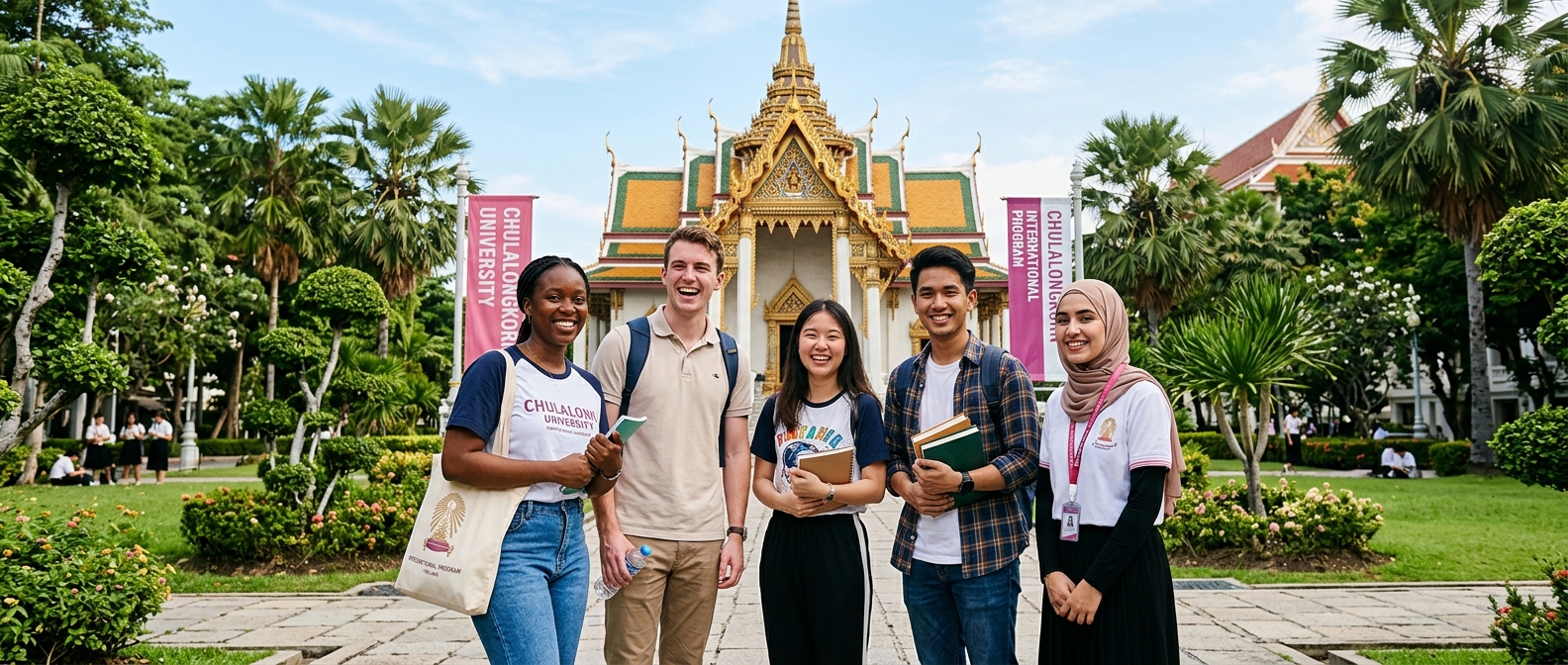
Why Thailand Is Turning Heads Among International Students
Thailand isn't just famous for beaches and street food anymore. Its universities have climbed global rankings, and the government has made attracting international talent a real priority.
Lower tuition costs compared to the US, UK, or Australia make it an easy entry point. Add in a lower cost of living, and suddenly a semester abroad feels achievable instead of impossible.
Many programs are now taught fully in English, removing what used to be the biggest barrier for international applicants.
The Problem: Most Students Never Even Apply
Here's the frustrating part. Thousands of scholarship spots go unfilled every year. Not because students aren't qualified, but because they simply don't know these programs exist.
Information is scattered across university websites, embassy portals, and government pages that rarely show up in a simple search. Students give up before they even start.
Others assume scholarships are only for exceptional athletes or top 1% academic performers. In reality, many programs prioritize financial need, cultural exchange potential, or specific fields of study like engineering, public health, or tourism management.
What Old-School Advice Gets Wrong
Traditional study-abroad advice tells you to "check with your school counselor" or "browse a few university sites." That approach worked a decade ago. It doesn't anymore.
Scholarship criteria change yearly. Application windows shift. New programs launch while others quietly disappear. Relying on outdated blog posts or generic advice means missing deadlines that already passed months ago.
The students who succeed treat this like a research project, not a one-time Google search.
Types of Scholarships Worth Knowing About
Not all funding works the same way. Understanding the categories helps you know what to look for:
- Government-funded scholarships - Often cover full tuition plus a monthly stipend, typically tied to bilateral agreements between countries.
- University-specific grants - Offered directly by Thai institutions to attract international enrollment, often based on academic merit.
- ASEAN and regional exchange programs - Designed to strengthen ties between Thailand and neighboring countries, sometimes open to students worldwide.
- Field-specific funding - Programs tied to agriculture, medicine, tourism, or technology, reflecting Thailand's economic priorities.
Each category has different eligibility rules, deadlines, and paperwork. Mixing them up wastes valuable time.
What Actually Improves Your Chances
Students who land funding usually do a few things differently:
- They apply early, often months before the "final" deadline listed online.
- They tailor their application essays to the specific values of the program, not a generic template.
- They reach out directly to university international offices instead of waiting for a response to a web form.
- They apply to multiple programs simultaneously instead of pinning hopes on just one.
None of this requires special connections. It requires knowing the process exists and treating it seriously.
The Real Challenge: Finding Programs That Match You
This is where most people get stuck. A scholarship that's perfect for a graduate engineering student in Bangkok won't help an undergraduate arts major looking at Chiang Mai. Eligibility depends on your nationality, academic level, field of study, and even the specific university you're targeting.
Generic "top 10 scholarships" lists rarely account for these differences. What works is finding options filtered by your actual circumstances: your home country, your degree level, and your budget for remaining expenses.
Why Location and Timing Matter More Than You'd Think
Scholarship availability isn't evenly spread across Thailand. Bangkok's major universities often have more international funding pools simply because they host more exchange partnerships. Regional universities may offer smaller but less competitive grants.
Timing matters just as much. Some programs open applications a full year in advance. Others announce funding just weeks before the semester starts. Missing a window by even a few days can mean waiting an entire year for the next cycle.
Where This Leaves You
The information exists. The funding exists. What's missing for most students is a clear, current picture of which programs match their specific situation right now, in 2026.
General advice can only take you so far. The next step is looking into scholarship options that are specific to your country of origin, your intended field of study, and the Thai universities currently accepting applications.
Moving Forward
Studying in Thailand on a scholarship isn't a long shot. It's a realistic path for students willing to dig past the surface-level advice. The programs are out there, updated and running right now, waiting for applicants who take the time to find the right match.
If this sounds like a path worth exploring, the next move is simple: look deeper into the specific scholarship programs available for your situation and start comparing what fits best.