
Second-Hand Retail Shelving: The Smart Way to Furnish Your Store
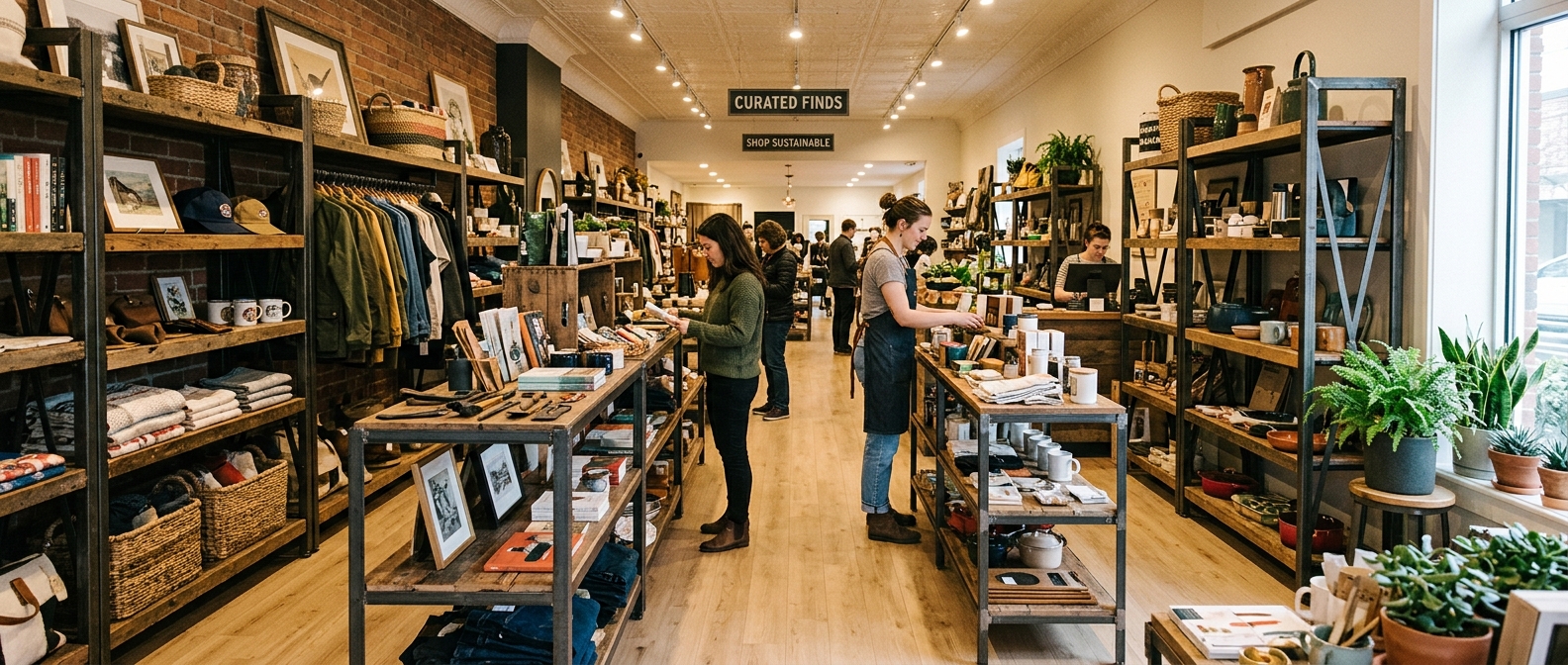
Opening a store, revamping a boutique, or scaling a warehouse operation all come with one unavoidable line item: shelving. New fixtures look great in a catalog, but the price tag often forces owners to cut corners elsewhere. That's why more retailers are quietly turning to second-hand shelving to stretch their budgets without sacrificing quality or style.
The Hidden Cost of Buying Everything New
Retail startups often underestimate how much shelving actually costs. Gondola shelving, wall units, wire racks, and display cases add up fast. For a mid-sized store, fixtures alone can eat up a large chunk of the opening budget.
That leaves less money for inventory, marketing, or hiring. Many new business owners find themselves stretched thin before they even open the doors, simply because they spent too much on brand-new fixtures that could have been sourced for a fraction of the price.
Why "Used" Doesn't Mean "Worn Out"
There's a common misconception that second-hand shelving means dented, rusty, or unstable units. In reality, most used retail shelving comes from stores that closed, relocated, or simply upgraded their look.
These fixtures are often only a few years old and built from commercial-grade steel or heavy-duty wood composite designed to last decades. Buying used doesn't mean buying broken. It means buying smart.
- Commercial shelving is built tougher than home furniture
- Liquidation sales often include barely-used display units
- Many pieces are modular and easy to reconfigure
Where Retailers Find These Deals
Business closures, store remodels, and warehouse liquidations create a steady stream of quality shelving entering the resale market. Restaurant supply outlets, office liquidators, and retail equipment resellers frequently carry gondola shelving, slat wall panels, and industrial racking at deep discounts.
Online marketplaces and local classifieds have also made it easier than ever to track down inventory in your area. The challenge isn't finding second-hand shelving. It's finding the right type, size, and price for your specific space.
Matching Shelving to Your Store Layout
Not all shelving works for every business. A boutique clothing store needs different fixtures than a hardware shop or a grocery corner store. Before buying anything, it helps to map out:
- The square footage of your retail floor
- Ceiling height and aisle width requirements
- Weight capacity needed for your products
- Whether you need mobility or permanent installation
Getting these details right prevents costly mistakes, like buying units that don't fit your space or can't support your inventory.
Tips Before You Buy Used Shelving
A little diligence goes a long way when purchasing pre-owned fixtures. Experienced retail buyers recommend:
- Inspecting for rust, bent brackets, or missing hardware
- Asking about the original commercial use of the shelving
- Measuring twice before transport to avoid fit issues
- Checking if the seller offers delivery or installation help
These small checks can save hours of frustration and prevent you from ending up with fixtures that don't serve your store well.
The Real Savings Add Up Fast
Store owners who go the second-hand route often report cutting their fixture budget significantly compared to buying new. That difference can fund an extra month of rent, a marketing push, or additional inventory for opening week.
For growing businesses, every dollar saved on fixed costs is a dollar that can go toward growth. This is why used shelving has become a staple strategy for savvy retailers, not just a fallback option for those on a tight budget.
Why Location and Timing Matter So Much
While these general principles apply everywhere, the best second-hand shelving deals depend heavily on your specific location and timing. Availability shifts constantly as stores close, relocate, or liquidate inventory in different regions.
What's available in a major metro area this month may look completely different from what's on the market in a smaller town, or even the same city a few weeks later. Pricing also varies based on local demand, shipping distances, and the type of retail businesses common in your area.
If you're serious about finding the right fixtures at the right price, it pays to look into current second-hand retail shelving listings near you. Comparing options by size, material, and seller type can reveal deals that generic guides simply can't predict.
Making the Final Decision
Second-hand shelving isn't about settling for less. It's about being resourceful with a major startup or renovation expense. Many successful retailers built their first stores entirely on pre-owned fixtures, then reinvested the savings into growing their business.
Whether you're opening a boutique, expanding a warehouse, or refreshing an existing store layout, the used market offers options that new retail simply can't match on price.
Ready to Explore Your Options
Every retail space has different needs, and shelving is one of those decisions worth researching properly before committing. Taking the time to compare styles, materials, and local availability can make the difference between a rushed purchase and a setup that truly works for your business.
If you're planning a store update or a new opening, it's worth digging deeper into what's currently available in your area before making a final call.