
Smart House Remodeling: Transform Your Home Into a Modern Haven
Imagine walking into your home and having the lights adjust automatically, the temperature set perfectly, and your favorite music playing softly in the background. This isn't science fiction anymore. Smart house remodeling is changing the way we live, combining cutting-edge technology with thoughtful design to create homes that are more comfortable, efficient, and responsive to our needs. Whether you're planning a complete renovation or updating specific rooms, understanding how to integrate smart features can make all the difference in creating a space that truly works for your lifestyle.
Why Traditional Remodeling Falls Short in Today's World
Traditional home renovations focus primarily on aesthetics and basic functionality. You might get new cabinets, fresh paint, and updated fixtures, but these improvements don't address how we actually live in 2026. Our homes need to do more than just look good-they need to adapt to our schedules, save energy, enhance security, and simplify daily tasks. A beautiful kitchen loses some of its appeal when you're still manually adjusting thermostats, fumbling for light switches in the dark, or worrying about whether you locked the door when you left. The gap between conventional remodeling and smart remodeling is the difference between a house that looks modern and one that actually functions in a modern way.
 The Core Elements of Smart House Remodeling
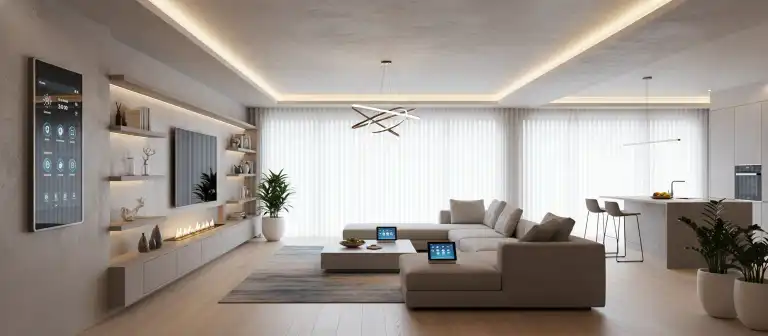
Smart house remodeling integrates technology seamlessly into your living space. Here are the key components that make a remodeled home truly intelligent:
- Intelligent Lighting Systems: Automated lights that adjust based on time of day, occupancy, or your personal preferences, reducing energy waste while creating the perfect ambiance.
- Climate Control: Smart thermostats that learn your schedule and preferences, optimizing comfort while cutting heating and cooling costs by up to 20%.
- Security Integration: Connected cameras, smart locks, and sensors that provide real-time monitoring and alerts directly to your smartphone.
- Voice-Activated Controls: Central hubs that let you manage multiple systems through simple voice commands.
- Energy Monitoring: Systems that track consumption across your home, identifying opportunities to reduce waste and lower utility bills.
Planning Your Smart Remodeling Project
The success of any smart house remodeling project starts with careful planning. First, assess which areas of your home would benefit most from upgrades. High-traffic spaces like kitchens, living rooms, and master bedrooms typically offer the best return on investment. Consider your household's specific needs-families with young children might prioritize security features, while remote workers may focus on home office integration. Budget is another crucial factor, but remember that smart features often pay for themselves through energy savings and increased home value. According to recent real estate studies, homes with integrated smart technology sell faster and command higher prices than comparable properties without these features.
Integration Versus Installation: Getting It Right
One of the biggest mistakes in smart remodeling is treating technology as an afterthought. Simply adding smart devices to an existing space rarely produces optimal results. True smart house remodeling requires integrating technology during the renovation process itself. This means running appropriate wiring, creating centralized control systems, and ensuring all devices communicate effectively with each other. For example, smart lighting works best when the electrical system is designed to support it from the start, rather than retrofitting afterwards. Working with professionals who understand both construction and technology ensures your smart features work harmoniously rather than as disconnected gadgets.
The Cost-Benefit Reality of Smart Remodeling
Many homeowners hesitate because they assume smart remodeling is prohibitively expensive. While it's true that adding technology increases upfront costs, the long-term benefits often justify the investment. Energy-efficient smart systems typically reduce utility bills by 15-30% annually. Home insurance companies increasingly offer discounts for properties with smart security systems. Beyond finances, there's the intangible value of convenience, comfort, and peace of mind. Imagine monitoring your home from anywhere, receiving alerts about potential water leaks before they cause damage, or having your house prepare itself for your arrival after a trip. These benefits compound over time, making smart remodeling less of an expense and more of an investment in your quality of life.
Common Challenges and How to Overcome Them
Every remodeling project faces obstacles, and smart renovations come with their own unique challenges. Compatibility issues between different brands and systems can create frustration-not all smart devices communicate well with others. This is why choosing an ecosystem approach (selecting devices that work within the same platform) often produces better results. Another challenge is future-proofing your investment. Technology evolves rapidly, so building flexibility into your design ensures you can upgrade components without redoing entire systems. Privacy and cybersecurity concerns are also valid-smart homes collect data, and that information needs protection. Working with knowledgeable professionals who prioritize secure networks and encrypted communications addresses these concerns from the beginning.
Real-World Results: What Homeowners Are Experiencing
Homeowners who've completed smart remodeling projects consistently report similar benefits. They appreciate the convenience of managing their entire home from a single app or through voice commands. Many note unexpected advantages, like being able to let service providers into their home remotely when they're not there, or checking in on elderly family members through integrated camera systems. Energy savings exceed expectations in many cases, with some households cutting their utility costs by nearly a third. Perhaps most importantly, people find that their homes feel more responsive and personalized, adapting to their needs rather than requiring constant manual adjustments.
Finding the Right Approach for Your Situation
While the principles of smart house remodeling are universal, the best solutions depend entirely on your specific circumstances. Your location affects which contractors and specialists are available, as well as local building codes that might impact your project. Your budget determines whether you tackle everything at once or phase the renovation over time. Your home's existing infrastructure-its age, layout, and current systems-influences which smart features integrate most easily. Regional climate affects which energy-saving technologies deliver the best returns. These variables mean that generic advice only goes so far.
The most successful smart remodeling projects begin with research into options specific to your area and situation. Looking into local contractors who specialize in smart home integration, comparing costs and capabilities in your region, and understanding which technologies perform best in your climate zone will help you make informed decisions. Every home and homeowner is different, and the perfect smart remodeling solution for your neighbor might not be ideal for you.
Moving Forward With Confidence
Smart house remodeling represents the future of home improvement, but that future is already here. The technology has matured beyond early-adopter novelty into reliable, practical systems that genuinely improve daily life. Whether you're planning a minor update or a major renovation, incorporating smart features makes your investment more valuable and your home more livable. The key is approaching the project with clear goals, realistic expectations, and the right information to guide your decisions. Your home should work for you, adapting to your lifestyle and making everyday tasks simpler. That's the real promise of smart remodeling-not just a house filled with gadgets, but a living space that truly understands and responds to your needs.