
The Smart Living Guide to Restaurant Furniture
Walk into any great restaurant and you feel it immediately - before you even glance at the menu. The lighting, the layout, the music... but most of all, the furniture. Yet for most restaurant owners, furniture is an afterthought. That's a costly mistake. The chairs, tables, and booths you choose aren't just décor - they are silent salespeople working every single hour you're open. Here's what you need to know before making a decision that will define your dining room for years to come.
Comfort Is a Revenue Strategy
There's a direct line between how comfortable your guests feel and how much they spend. When seating is well-designed and ergonomically sound, diners naturally linger. And lingering guests order more - a second drink, a shared dessert, a final round of coffee. On the flip side, an uncomfortable chair sends an unconscious signal: it's time to leave. The right furniture isn't an expense - it's an investment in higher average checks and repeat visits.
Your Furniture Tells Your Brand Story
Before your server greets a single table, your furniture has already spoken. Heavy mahogany chairs and tufted leather booths say "upscale and intimate." Light metal stools and communal tables say "casual, fast, and social." Every material choice, from the finish on the table legs to the height of the chair back, shapes the customer's first impression. If your furniture doesn't match your brand concept, guests sense the disconnect - even if they can't articulate why.
Smart Layouts Multiply Your Revenue Per Square Foot
The right furniture doesn't just fill space - it maximizes it. Consider these space-efficiency principles:
- Banquettes and wall booths seat more guests per square foot than freestanding chairs.
- Modular tables can be pushed together for large parties and separated for couples, giving you flexibility without extra inventory.
- Clear server pathways - at least 36 inches wide - keep your staff moving efficiently and safely, reducing service delays and accidents.
Thinking about flow before you buy can mean the difference between seating 40 covers and 55 in the same room.
Commercial Grade vs. Residential: A Critical Difference
This is one of the most common - and expensive - mistakes new restaurant owners make: buying residential furniture because it's cheaper. Here's the reality:
- Residential furniture is built for light, occasional home use - not dozens of people daily.
- Most manufacturers void warranties if residential pieces are used in commercial settings.
- A broken chair that injures a customer is a serious liability issue.
Commercial-grade furniture costs more upfront, but it's engineered to take the daily punishment of a busy restaurant. Over a 5-year span, the math almost always favors the higher-quality option.
Hygiene and Maintenance Are Non-Negotiable
Restaurants are messy. Period. Your furniture needs to work with your cleaning routine, not against it. When evaluating pieces, ask yourself:
- Can the surface be wiped down quickly between seatings?
- Is the upholstery (if any) made from a performance or antimicrobial fabric?
- Does the chair design allow crumbs and debris to fall clear, reducing turnaround time?
Faster table turnover directly increases your daily covers served - meaning better hygiene design translates directly into revenue.
Match the Furniture to Your Turnover Goals
Not all restaurants have the same objectives. Fast-casual concepts benefit from harder seating - wood or metal - which subtly discourages lingering and keeps tables turning quickly. Fine-dining establishments, where a two-hour meal is expected and celebrated, should invest in heavily upholstered seating that makes guests want to stay. Aligning your furniture strategy to your business model is one of the most underrated decisions you can make.
Don't Overlook Acoustics
Sound is a hidden dimension of furniture design. Soft materials - upholstered chairs, thick wooden tables, padded booths - absorb sound and create an intimate, quiet atmosphere. Hard materials - metal chairs, stone table tops, glass surfaces - reflect sound and amplify the energy of a room. Before you buy, think carefully about the noise level you want your guests to experience. The wrong acoustic environment is one of the top reasons diners leave negative reviews, even when the food is excellent.
The Right Furniture Mix Welcomes Every Guest
A smart restaurant accommodates every type of diner. Consider including:
- Standard 4-top tables for the majority of covers
- 2-top tables near windows or quieter corners for date nights
- Bar or counter seating for solo diners and walk-ins
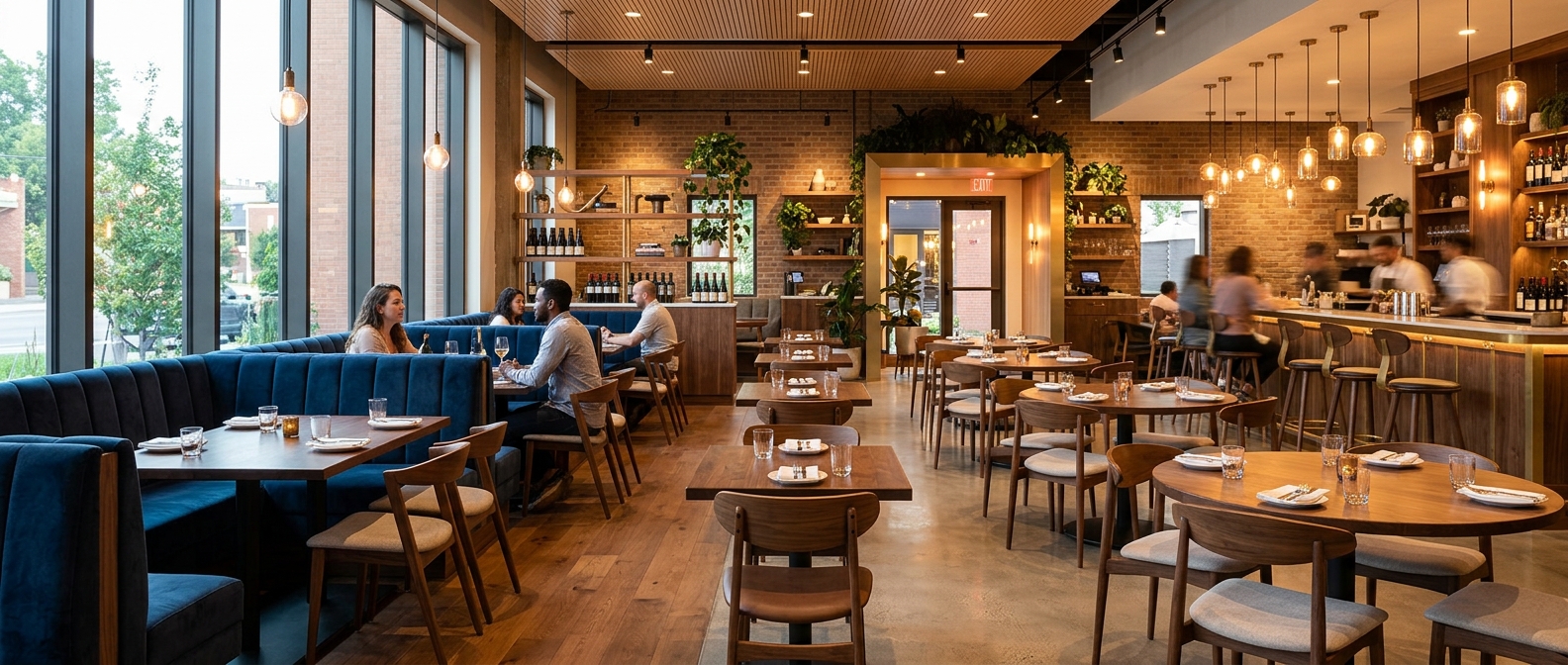
- Booth seating for families and groups who prefer privacy
A well-curated mix signals to guests that they are truly welcome - regardless of the size of their party.
Finding the Best Furniture Options for Your Restaurant
While the principles above apply universally, the best furniture choices depend heavily on your specific concept, location, budget, and supplier options. Pricing, availability, and styles vary significantly by region and vendor. Comparing specialized restaurant furniture suppliers - from bulk wholesalers to boutique commercial designers - is the most reliable way to find pieces that balance quality, aesthetics, and cost for your specific situation.
Choosing the right restaurant furniture is one of those foundational decisions that pays dividends for years. Whether you're opening a new location or refreshing an existing space, taking the time to research your options carefully will set your dining room - and your business - up for long-term success.