
Snag That Deal: Inside Police Impound Gaming Console Auctions
Where Do Seized Consoles Actually End Up?
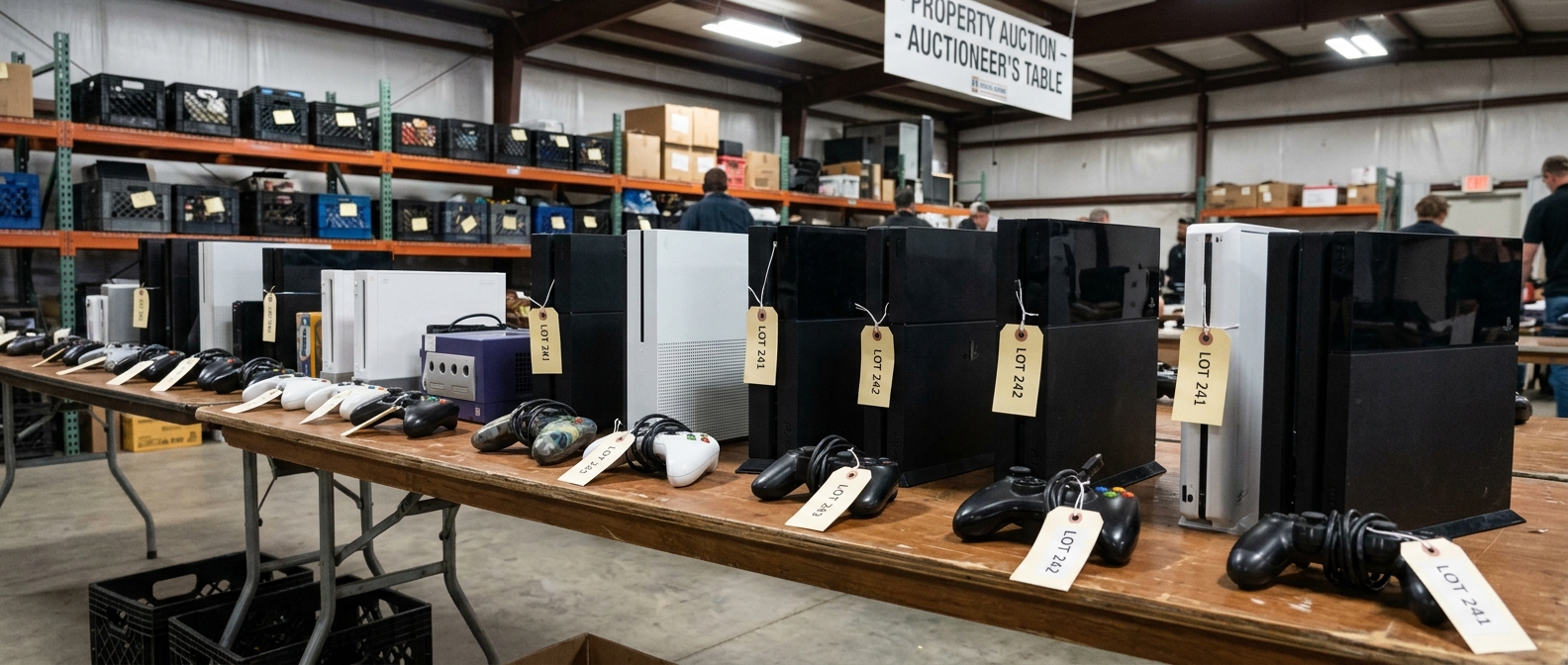
Every week, police departments across the country process a strange kind of inventory: gaming consoles. Some are recovered from burglaries and never claimed. Others are seized during investigations and abandoned once cases close. A few are simply left behind in storage lockers or repossessed vehicles.
Instead of gathering dust in an evidence room, most of these items eventually get released for public sale. That's where things get interesting for anyone hunting a bargain.
Why This Market Exists
Police departments aren't in the business of running electronics stores. When property goes unclaimed past a legal holding period, or when it's declared surplus after a case wraps up, departments are required to liquidate it. Auctions are the cleanest way to do that.
This isn't a rumor or an urban legend. It's standard procedure written into municipal codes in cities of every size. The consoles, along with bikes, phones, and tools, get funneled into scheduled sales that are open to the public.
Why Traditional Retail Can't Compete
Retail prices for gaming consoles rarely move much. A markup is baked in from the manufacturer down to the shelf, and sales events are usually just modest percentage cuts.
Impound and surplus auctions work differently. Pricing starts low because the goal isn't profit maximization, it's clearing inventory. That single distinction is why bargain hunters keep circling back to these listings instead of waiting for a retail holiday sale.
What Typically Shows Up
Console availability varies by region and by what local departments happen to be holding. Common finds include:
- Current and last-generation gaming consoles
- Bundled controllers and accessories
- Handheld gaming devices
- Occasionally sealed or barely-used units still in original packaging
Condition can range from like-new to well-worn, which is part of why understanding the auction format matters before bidding.
The Reality Check Nobody Skips
These auctions aren't a guaranteed jackpot every time. Some lots go for a steal. Others attract enough attention that bidding climbs close to retail value.
What separates a smart buyer from a disappointed one usually comes down to preparation:
- Knowing whether the listing allows physical inspection before bidding
- Understanding the platform's buyer premium or added fees
- Checking if the sale is cash-only or allows other payment methods
- Confirming pickup logistics, since many auctions don't ship
Skipping these details is the most common reason first-time bidders walk away frustrated.
Online vs. In-Person Auctions
Not every department runs its own auction anymore. Many now contract with third-party auction platforms that handle listings, bidding, and payment processing online. This has actually made the process more accessible, since bidders no longer need to show up in person to compete.
In-person auctions still exist in many counties, and some buyers prefer them because they can physically inspect an item before committing. Both formats have tradeoffs worth weighing depending on how much research a buyer wants to do beforehand.
Timing Matters More Than People Think
Auction calendars aren't universal. Some jurisdictions run monthly sales. Others only liquidate surplus property a few times a year. Because of that, availability of gaming consoles specifically can be unpredictable.
Buyers who track listings regularly tend to have better luck than those who check once and give up. Consistency, more than luck, tends to separate the people who land a good deal from the people who miss it entirely.
Where the Search Gets Specific
General advice about impound auctions only goes so far. What actually matters is what's happening in your area right now: which local police departments or counties have upcoming sales, whether they're handled online or in person, and what categories of electronics are currently listed.
That's the point where a broader understanding of "how these auctions work" needs to turn into a locally focused search. Auction schedules, participating agencies, and listing platforms vary significantly by state and even by county, so narrowing in on your specific region is the only way to see real, current opportunities instead of generic examples.
Before You Dive In
Police impound and surplus auctions aren't a secret hack, but they are a legitimate and often overlooked way for the public to access unclaimed property, including gaming consoles, at prices well below retail. The format rewards buyers who understand the process, verify details before bidding, and stay consistent about checking new listings.
If the idea of picking up a console this way sounds worth exploring, the next step is looking into what's currently listed and how local auctions in your area are structured.