
Texas Roofs Under Threat: What Every Homeowner Should Know
Texas homeowners face unique roofing challenges that most other states never have to consider. Between hurricane-force winds, severe thunderstorms, hail the size of baseballs, and extreme temperature swings, your roof takes a beating year after year. Many Texans don't realize their roof is compromised until it's too late-often discovering damage only after water stains appear on ceilings or energy bills skyrocket. Understanding what puts your roof at risk and knowing when to seek professional help could save you thousands in emergency repairs.
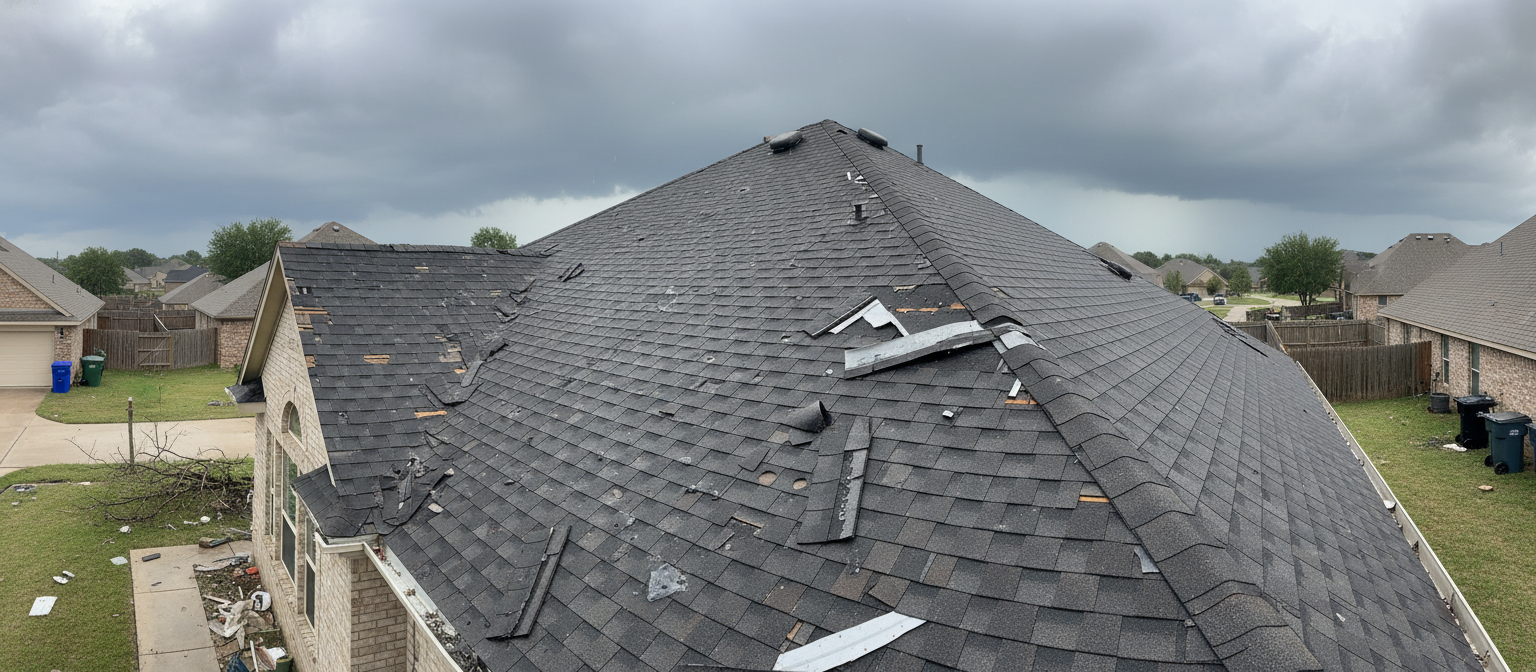 Why Texas Weather Creates Perfect Storm for Roof Damage
The Lone Star State experiences some of the most diverse and extreme weather patterns in the country. Coastal areas face hurricane threats from June through November, while inland regions battle tornadic storms and golf-ball-sized hail. These aren't just inconveniences-they're roof destroyers.
Recent weather data shows Texas leads the nation in severe hail events, with storms causing billions in property damage annually. Hurricane season brings sustained winds exceeding 100 mph in some areas, easily lifting shingles and exposing your home's interior to water damage. Even the intense summer heat cycles cause roofing materials to expand and contract, creating cracks and weakening structural integrity over time.
What makes this particularly dangerous is that damage often remains invisible to untrained eyes. A missing shingle here, a small crack there-these minor issues compound quickly, especially when the next storm hits. Many insurance claims get denied because homeowners waited too long to address damage, making it appear like normal wear rather than storm-related destruction.
The Hidden Costs of Ignoring Roof Problems
Procrastinating on roof maintenance might seem like saving money, but it typically has the opposite effect. A small leak that costs a few hundred dollars to repair today can balloon into a $15,000 problem within months.
Water infiltration doesn't just damage your roof-it compromises insulation, promotes mold growth, ruins drywall, and can even weaken your home's structural framing. Mold remediation alone often costs $2,000-$6,000, and that doesn't include repairing the source of moisture or replacing damaged building materials.
Energy efficiency takes a major hit too. Damaged or aging roofs allow conditioned air to escape, forcing your HVAC system to work overtime. In Texas summers where temperatures regularly exceed 100°F, this can add $50-$150 to monthly utility bills. Over several years, you're literally throwing thousands of dollars into the air.
Insurance complications represent another hidden cost. If you file a claim for storm damage but inspectors determine the damage occurred months ago and worsened due to neglect, your claim may be reduced or denied entirely. Regular roof maintenance and prompt repairs after storms protect both your home and your insurance coverage.
Warning Signs Your Roof Needs Immediate Attention
Knowing what to look for can help you catch problems early. Here are critical warning signs Texas homeowners should never ignore:
- Missing or damaged shingles: After any significant storm, walk around your property and look for shingles in your yard or on the ground. Check for visible gaps or damaged areas on the roof itself.
- Granule loss: If your gutters are filled with dark, sand-like material, your shingles are deteriorating. This granule layer protects against UV damage and water penetration.
- Ceiling stains or discoloration: Water stains, even small ones, indicate active leaks. Don't wait for these to grow-address them immediately.
- Sagging roof sections: Any sagging or dipping indicates serious structural problems requiring immediate professional evaluation.
- Increased energy bills: Sudden spikes in heating or cooling costs often signal compromised insulation or ventilation due to roof damage.
- Visible daylight through roof boards: If you can see light through your attic roof boards, water can definitely get through.
After major storms, even if you don't see obvious damage, having a professional inspection is wise. Many roofing companies in Texas offer free storm damage assessments, and catching problems early always costs less than emergency repairs.
How Modern Roofing Solutions Stand Up to Texas Weather
Roofing technology has advanced significantly in recent years, with materials specifically designed to withstand extreme weather conditions. Impact-resistant shingles, for example, are engineered to handle hail strikes that would destroy traditional roofing materials.
Many Texas homeowners are discovering that upgrading to weather-rated roofing materials can actually reduce insurance premiums. Insurance companies recognize that impact-resistant and wind-rated roofing systems significantly lower claim risks, often offering discounts of 10-30% on premiums.
Proper ventilation and underlayment systems also play crucial roles in roof longevity. Advanced synthetic underlayments provide superior water barriers compared to traditional felt paper, while improved attic ventilation systems prevent heat buildup that accelerates shingle deterioration. These upgrades don't just protect against storms-they extend your roof's lifespan by years and improve overall energy efficiency.
What Texas Homeowners Should Do After Severe Weather
Taking quick action after storms can make the difference between simple repairs and complete roof replacement. Within 24-48 hours of severe weather, conduct a visual inspection from the ground. Look for obvious damage, debris accumulation, or changes in your roof's appearance.
Document everything with photos, including close-ups of damaged areas and wide shots showing your entire roof. This documentation proves invaluable for insurance claims. Contact your insurance company promptly to report potential damage-most policies require timely notification.
Schedule a professional inspection even if damage isn't obvious. Trained roofing professionals can spot compromised areas that homeowners typically miss. Many offer free inspections after significant weather events, and early detection prevents minor damage from becoming major problems.
If you do have damage, get multiple estimates from licensed, insured roofing contractors. Be wary of storm chasers who go door-to-door immediately after severe weather-while some are legitimate, others disappear after collecting deposits. Verify licenses, check references, and ensure contractors carry proper insurance before signing any contracts.
Taking Control of Your Roof's Future
Your roof represents one of your home's most critical protective systems, especially in Texas where weather conditions constantly challenge its integrity. Regular inspections, prompt repairs, and understanding warning signs put you in control rather than leaving you at weather's mercy.
The good news is that addressing roofing concerns doesn't have to be overwhelming. Professional roofing services throughout Texas specialize in storm damage assessment, insurance claim assistance, and weather-appropriate repairs and replacements. Many offer financing options that make protecting your home affordable, and the long-term savings in energy costs and avoided damage often offset the investment.
Don't wait until water is dripping through your ceiling or the next hurricane warning is issued. Taking proactive steps today ensures your home stays protected, your family remains safe, and your investment maintains its value for years to come. Whether you need a simple inspection or comprehensive roof replacement, connecting with qualified Texas roofing professionals is your first step toward peace of mind.