
The End of Plastic Milk Jugs
The End of Plastic Milk Jugs
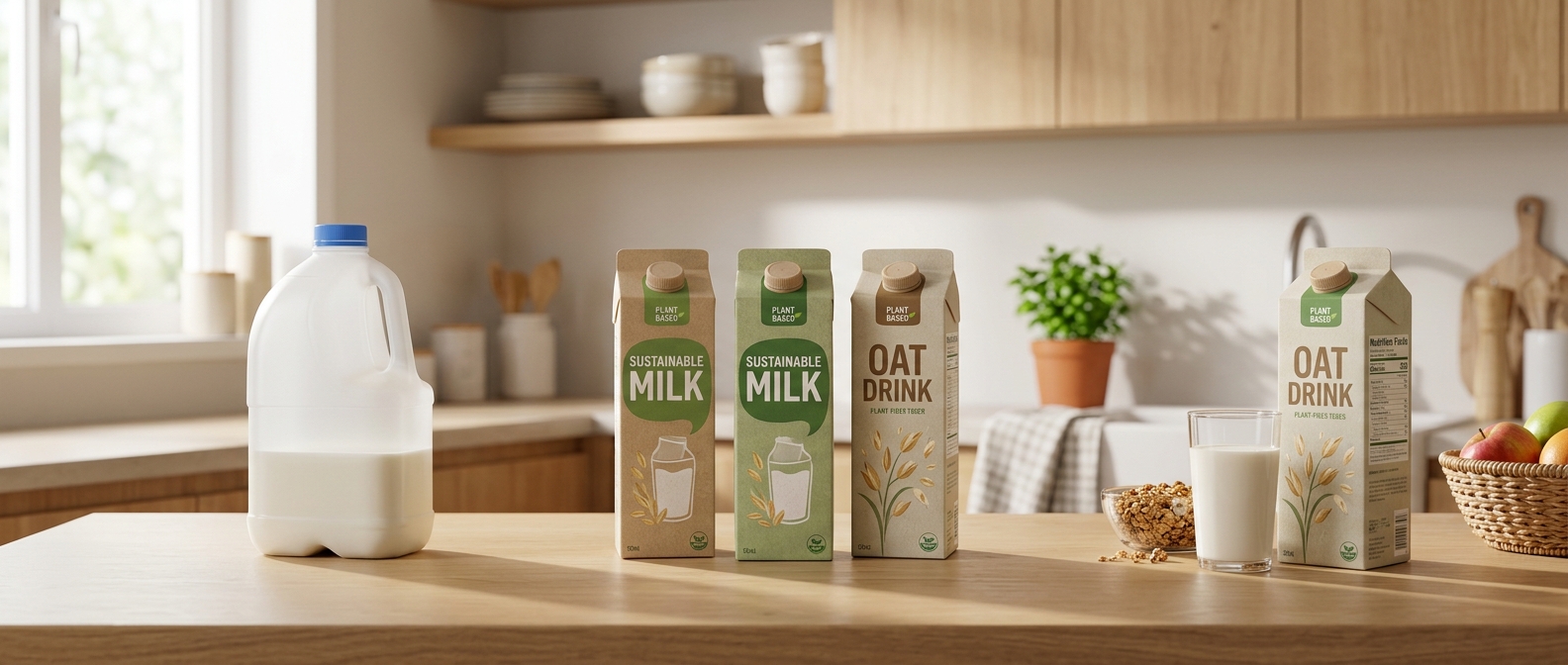
Walk down any dairy aisle and you'll notice something different. Those familiar plastic jugs are quietly disappearing. In their place: paper cartons, plant-based bottles, and packaging that looks nothing like what you grew up with. This isn't a small trend. It's a full-scale shift in how everyday products reach your fridge, and it's happening faster than most shoppers realize.
Why Your Milk Jug Is Changing
For decades, plastic was the default. It was cheap, durable, and easy to mass produce. But that convenience came with a hidden cost.
Plastic milk jugs take hundreds of years to break down. Many end up in landfills or waterways long after the milk inside them is gone. Consumers noticed. Retailers noticed. And now, manufacturers are racing to catch up.
The result is a wave of new packaging designed to do the same job with far less environmental damage.
The Problem With "Just Recycling More"
For years, the go-to answer was simple: recycle harder. Put the jug in the blue bin and move on.
But that solution was always incomplete.
- Many plastic jugs are not accepted by local recycling programs.
- Contamination from leftover milk often disqualifies otherwise recyclable containers.
- Even when recycled, plastic degrades in quality each time, limiting how many times it can be reused.
Relying on recycling alone was never going to solve the packaging problem. It simply delayed it.
What's Replacing Plastic
Packaging innovation has moved quickly in the last few years. Some of the most promising alternatives include:
- Plant-based cartons: Made from renewable materials like sugarcane or bamboo fiber, these break down far faster than plastic.
- Molded fiber bottles: A newer innovation that uses compressed paper pulp shaped into bottle form, often lined with a thin biodegradable coating.
- Reusable glass and refill systems: A throwback model gaining traction again, especially through local dairies and delivery services.
- Compostable plastics: Engineered to break down in industrial composting facilities within months, not centuries.
Each option comes with its own tradeoffs in cost, shelf life, and availability. That's part of why this shift feels confusing to everyday shoppers.
Why This Matters Beyond the Dairy Aisle
Milk jugs are just the most visible example. The same shift is happening across:
- Juice and beverage containers
- Household cleaning product bottles
- Food storage and takeout packaging
- Personal care product containers
Once one major category moves away from traditional plastic, suppliers and manufacturers across other industries tend to follow. That's exactly what's unfolding right now.
What Consumers Are Saying
Shoppers have mixed reactions. Some appreciate the shift immediately, noting that plant-based cartons feel sturdier and pour more cleanly. Others say they've had to adjust to slightly different textures or seals on new packaging types.
The most common theme, though, is curiosity. People want to know which alternatives actually hold up, which ones are truly better for the environment, and which are mostly marketing.
The Search Intent Pivot
Here's where things get personal. Not every alternative packaging option performs the same way, and not every option is available everywhere.
Some regions have wider access to compostable packaging programs. Some retailers have already switched suppliers, while others haven't moved at all. Pricing also varies significantly depending on whether a product uses plant-based cartons, molded fiber, or reusable glass systems.
If you're trying to figure out what's actually replacing plastic packaging in your area, and which brands or products are leading the shift, a general overview only goes so far. The next step is looking into the specific companies, materials, and programs available near you. That's where a more detailed search becomes useful, especially since availability and options can differ from one store or supplier to the next.
What to Watch For Next
Packaging innovation isn't slowing down. Expect to see:
- More hybrid materials combining paper and thin biodegradable linings
- Wider adoption of refill stations in grocery stores
- Clearer labeling standards to help shoppers understand what's actually recyclable or compostable
As these changes roll out through 2026, the packaging on your kitchen counter will likely keep evolving, sometimes in ways that aren't obvious just from looking at the shelf.
Final Thoughts
The disappearance of the plastic milk jug is a small sign of a much bigger transformation. Materials are changing, supply chains are adjusting, and consumer expectations are shifting right along with them.
If you're curious about what alternatives are already available and which ones might be worth trying, it's worth digging a little deeper into the options near you. The packaging landscape is moving fast, and staying informed is the easiest way to keep up.