
Read Full Guide on Top and Bottom Braces
That gap between your front teeth, that overbite you've been hiding in photos for years, or that bottom row that just won't stay straight—you've probably thought about fixing it more than once. Braces on just one arch rarely solve the whole problem. Most orthodontists agree that when your bite is off, both the top and bottom teeth usually need attention. Here's what actually happens when you commit to top and bottom braces, and why so many adults are finally taking the leap.
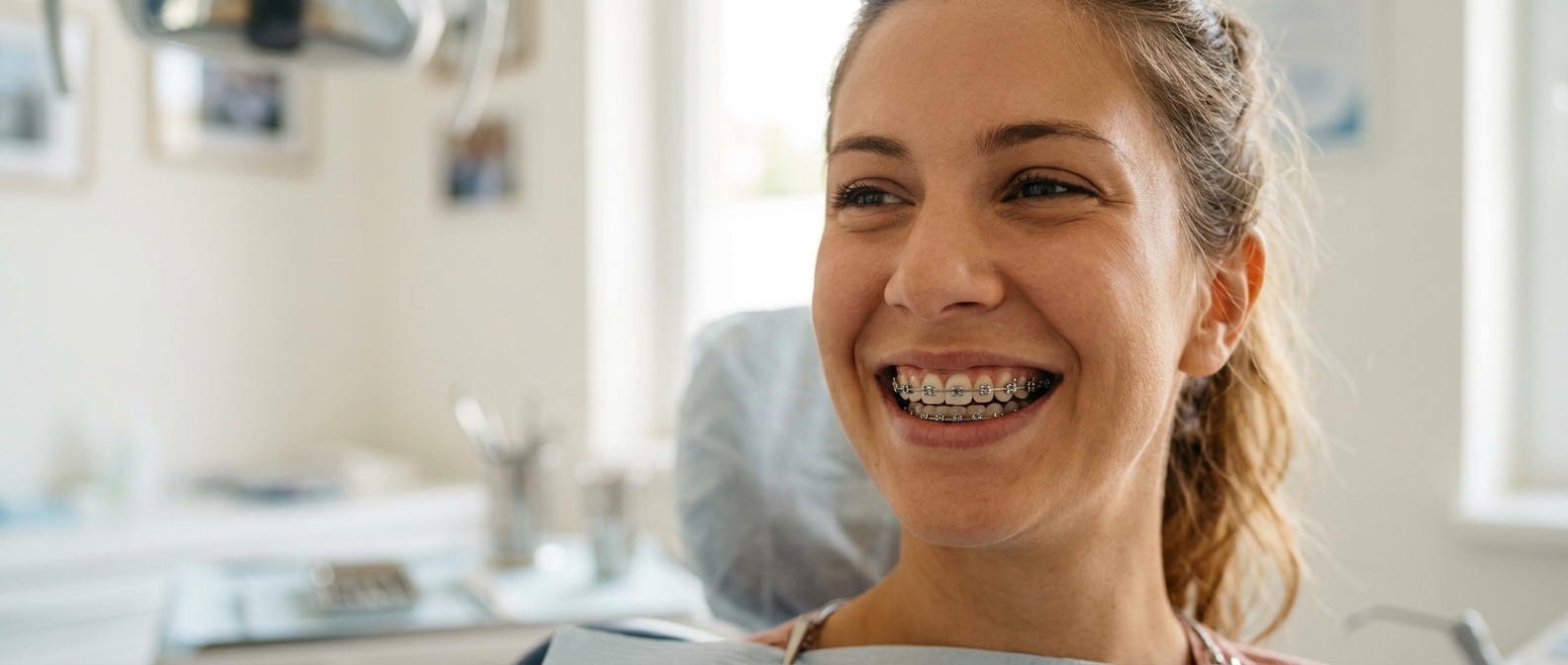
Why One Arch Almost Never Fixes the Bite
Your teeth don't work in isolation. The way your upper and lower teeth meet, called your bite or occlusion, depends on both arches lining up correctly.
If you only straighten the top teeth, the bottom row can still push your bite out of alignment. This is why most treatment plans call for braces on both arches, even if only one looks "crooked" to you.
- Uneven pressure on one arch can shift teeth again after treatment.
- Jaw joint discomfort often traces back to a mismatched bite.
- Chewing efficiency improves only when both rows align.
The Problem With Waiting
Many people put off treatment because they assume it's "just cosmetic." But crowded or misaligned teeth on both arches can lead to real problems over time.
Food traps between crowded teeth. Brushing gets harder. Gums get inflamed. Left unchecked, this can snowball into gum disease or uneven enamel wear.
The agitation is simple: the longer you wait, the more your bite can shift, and the more complex (and sometimes costly) treatment becomes later.
What Top and Bottom Treatment Actually Involves
Full mouth braces treatment usually follows a similar sequence, regardless of which type of brackets you choose:
- Initial evaluation. X-rays and impressions map out both arches.
- Bracket placement. Both upper and lower teeth get brackets, usually in the same visit.
- Wire adjustments. Regular visits every four to eight weeks gradually shift both rows.
- Bite refinement. Rubber bands or additional appliances often correct how the arches meet.
- Retention phase. Retainers for both arches maintain the result long-term.
The full process typically runs longer than single-arch treatment, since both rows need to move in coordination.
Metal, Ceramic, or Clear Aligners?
Modern orthodontics offers more choices than ever for straightening both arches:
- Traditional metal braces remain the most affordable and effective for complex bite issues.
- Ceramic braces blend in more with natural teeth but can cost more.
- Clear aligners work well for milder crowding on both arches, though severe bite issues may still need brackets.
Each option comes with different price points, treatment timelines, and maintenance routines. What works for a coworker's mild overbite might not suit a more complex case.
Real Talk From People Who've Done It
Adults who've gone through full top and bottom treatment often mention the same things: the first week is uncomfortable, the first month feels like an adjustment, and by month three, it starts to feel normal.
Many also say they wish they'd looked into financing or payment plans earlier. Full mouth treatment isn't cheap, but a lot of providers offer monthly plans that make it manageable.
Why Your Specific Situation Changes Everything
Here's the part that generic advice can't cover: the best approach for top and bottom braces depends heavily on your bite type, your age, your budget, and where you live.
Two people with what looks like the same crooked smile can need completely different treatment plans. Someone with a mild overbite might qualify for aligners. Someone with a significant jaw misalignment might need braces plus additional orthodontic appliances.
Costs also vary widely by region and provider. Insurance coverage, payment plan options, and even the average number of visits can differ from one city to the next. This is exactly the kind of detail worth digging into further, since your specific case, budget, and location will shape what a realistic treatment plan looks like.
Before You Decide on a Provider
A few things worth checking before committing to any orthodontic office:
- Do they specialize in full arch (top and bottom) cases, or mostly single-arch cosmetic work?
- What's included in the quoted price? Retainers, follow-up visits, and emergency repairs aren't always bundled in.
- How many years of experience does the orthodontist have with complex bite corrections?
- Are payment plans or financing options available upfront?
Asking these questions early can save a lot of frustration (and money) later.
Where to Go From Here
Top and bottom braces can genuinely transform how your bite functions and how your smile looks, but the right plan is never one-size-fits-all. Treatment length, materials, and cost all shift depending on your specific case and where you're located. If you've been considering this step, it's worth exploring current options, providers, and pricing details that apply to your own situation before making a decision.