
Drive for Uber, Own the Car? The Rent-to-Own Trend
Drive for Uber, Own the Car? The Rent-to-Own Trend
Thousands of people want to drive for Uber every week. There's just one problem: no car, or not the right car. That's where "rent-to-own" and "lease-to-own" programs come in. They promise a simple pitch: drive now, pay weekly, and eventually own the vehicle outright. It sounds like the perfect shortcut into rideshare work. But before signing anything, it pays to understand exactly how these plans function, who benefits most, and where the hidden costs might be lurking.
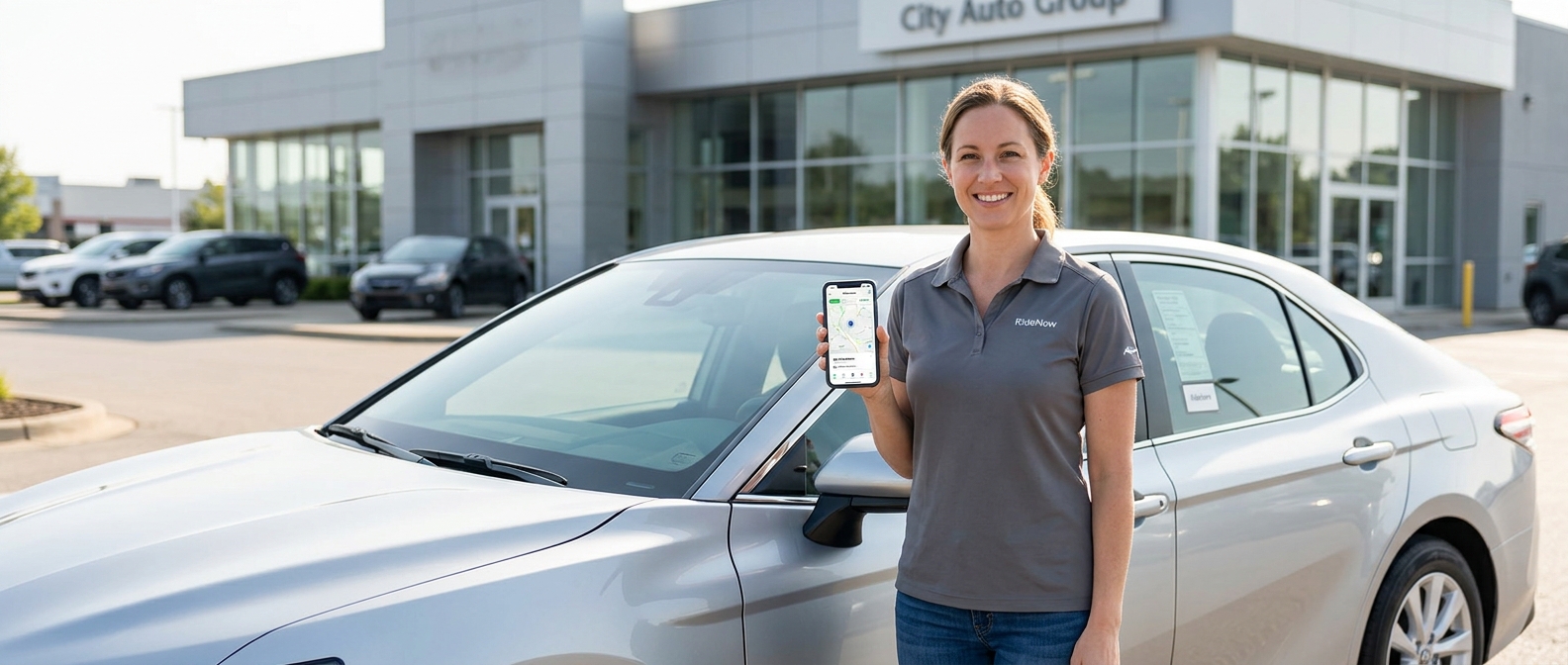
The Problem: No Car, No Rides
Uber and other rideshare platforms require a qualifying vehicle. Not everyone has one. Buying a car outright takes savings most people don't have on hand. Traditional auto loans often demand good credit, a down payment, and proof of steady income - things that are hard to show if you haven't started earning yet.
This creates a frustrating loop:
- You need a car to start earning as a driver.
- You need earnings to qualify for a car.
- Without either, the opportunity stalls before it begins.
Agitation: Why Traditional Financing Falls Short
Many aspiring drivers turn to used car lots or subprime lenders. The results are often disappointing:
- High interest rates that balloon monthly payments.
- Vehicles that don't meet rideshare age or condition requirements.
- Long loan terms that lock drivers into payments even if they stop driving.
On top of that, some drivers realize too late that their car doesn't meet the platform's specific standards - no rideshare company wants a vehicle with excessive mileage or missing safety features. That mismatch between "a car" and "a car that qualifies" is where a lot of new drivers get stuck.
How Rent-to-Own Programs Work
Rent-to-own (sometimes called lease-to-own) programs are structured differently from a standard auto loan. Here's the general framework:
- A driver signs up through a partner program, often connected to the rideshare company or a third-party fleet partner.
- The driver pays a weekly fee that covers the vehicle's use.
- A portion of that fee may go toward eventual ownership, depending on the specific contract.
- After a set number of payments - commonly ranging from one to three years - the driver may have the option to buy the car for a reduced final price, or ownership transfers automatically.
Some programs bundle in maintenance and insurance, which can simplify budgeting for new drivers who don't want surprise repair bills eating into their earnings.
Why It Appeals to New Drivers
The appeal isn't hard to understand:
- Lower upfront cost compared to a down payment on a purchase.
- Vehicles are pre-approved for rideshare use, so there's no guesswork.
- Flexibility to return the car if driving doesn't work out, in many agreements.
- A pathway to ownership without going through traditional credit channels.
For someone testing whether rideshare driving is a good fit, this lower-commitment structure can feel far less risky than buying a car outright.
What to Watch Out For
Not all programs are created equal. Terms vary widely between providers, and the fine print matters. Some things worth scrutinizing:
- Total cost over time - weekly payments can add up to more than the car's market value.
- Early termination fees - some contracts penalize drivers who want to exit early.
- Mileage or wear limits - high-usage driving can trigger extra charges.
- Ownership timeline - confirm exactly when, and under what conditions, the car becomes yours.
A program that looks great on a billboard or social post can look very different once you read the actual contract terms.
The Search Intent Pivot
While the general structure of rent-to-own rideshare programs is fairly consistent, the actual terms - weekly cost, mileage caps, buyout price, and eligibility requirements - vary significantly depending on your city, the specific program provider, and current promotions. Two drivers in different regions might be looking at completely different weekly rates or ownership timelines for what looks like the same offer. Because of this, it's worth looking into the current rent-to-own or lease-to-own vehicle programs available in your area, along with how their terms compare to standard auto financing. Local availability, partner dealerships, and eligibility criteria change often, so checking what's currently offered near you is the most reliable way to know what you'd actually be signing up for.
Before You Commit
A rent-to-own vehicle can be a practical bridge into rideshare driving, especially for people without the credit or savings for traditional financing. But it's not automatically the cheapest or safest option for everyone. Comparing current program terms, weekly costs, and buyout conditions in your specific area is the best way to see whether this path actually makes financial sense for your situation - or whether another route to getting behind the wheel might serve you better.