
Laser Skin Treatments: What You Should Know First
Laser Skin Treatments: What You Should Know First
Scroll through any skincare feed today and you'll see it: smooth, glowing skin with captions promising "one session fixed everything." Laser skin procedures have become one of the most talked-about ways to address sun damage, acne scars, fine lines, and uneven tone. But behind the glossy before-and-afters is a much more nuanced treatment landscape. Not every laser does the same thing, not every skin type responds the same way, and not every clinic offers the same quality of care. Before you book anything, it helps to understand what these procedures actually involve.
Why Interest in Laser Treatments Keeps Growing
More people are turning to laser skin procedures than ever before. Part of it is visibility - social media has normalized talking about cosmetic treatments that used to stay private. Part of it is convenience. Many laser options now require little to no downtime, fitting into busy schedules in ways older resurfacing methods never could.
But growing popularity doesn't mean growing clarity. Many people still confuse different types of lasers, assume results are universal, or don't realize how much aftercare affects the outcome.
The Problem With "One-Size-Fits-All" Assumptions
Here's where things get complicated. "Laser treatment" is an umbrella term. It covers:
- Ablative lasers, which remove thin layers of skin to treat deeper wrinkles or scars.
- Non-ablative lasers, which work beneath the surface without damaging the top layer.
- Fractional lasers, which target a fraction of skin at a time to speed healing.
- Pigment-specific lasers, designed for sun spots, redness, or discoloration.
Each category works differently, carries different risks, and suits different skin concerns. Choosing the wrong type - or going to a provider who doesn't customize their approach - is one of the most common reasons people feel disappointed with results.
Why Skin Type and Tone Matter More Than People Realize
Not all skin reacts to lasers the same way. Darker skin tones, for example, have a higher risk of pigmentation changes if the wrong wavelength or setting is used. Sensitive or reactive skin may need lower-intensity sessions spread over more visits. Even something as simple as recent sun exposure can change how safely a treatment can be performed.
This is why generic advice from social media rarely translates into real-world safety. A treatment that worked beautifully for one influencer's skin type could produce very different results on someone else.
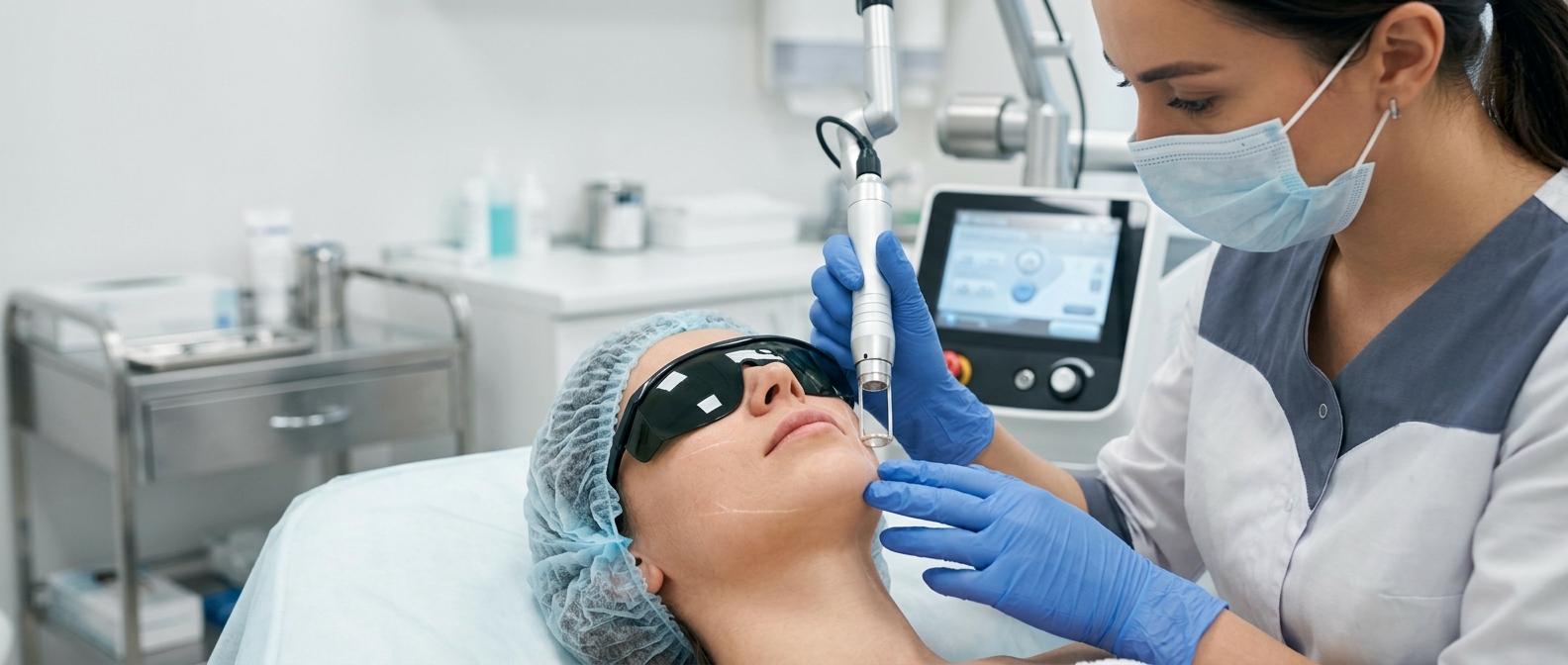
What Actually Happens During a Session
Most laser sessions follow a similar general structure, even though specifics vary by device:
- A consultation to assess skin type, goals, and medical history.
- Cleansing and sometimes numbing the treatment area.
- Applying the laser in controlled passes over the skin.
- Cooling or soothing the area immediately afterward.
- Providing aftercare instructions, which can range from simple moisturizing to avoiding sun exposure for weeks.
Recovery time depends heavily on the laser type. Some non-ablative treatments allow you to return to normal activities the same day. More intensive ablative procedures may require a week or more of visible healing.
Why Aftercare Can Make or Break Results
Even the most advanced laser treatment can underperform if aftercare is ignored. Sun protection is non-negotiable - treated skin is often more vulnerable to UV damage. Skipping recommended skincare routines, picking at peeling skin, or returning to harsh products too soon can all undo progress.
Clinics that provide detailed, personalized aftercare plans tend to report better client satisfaction, simply because the treatment doesn't end when you leave the chair.
Cost, Location, and Provider Quality All Vary Widely
One of the most overlooked realities of laser skin treatments is how much pricing and quality can differ from one provider to another. A session in one city might cost significantly more - or less - than the same treatment elsewhere, and cost doesn't always reflect expertise. Licensing requirements, technology used, and provider experience all shift depending on where you live.
This is exactly why generic information, while useful for understanding the basics, can only take you so far.
The Search Intent Pivot: Why Local, Personalized Research Matters
Understanding how laser treatments work in general is a good starting point. But the real decisions - which type suits your skin, which providers are reputable in your area, and what current pricing looks like - depend on specifics that vary by location and provider. General articles can't tell you which clinics near you are licensed, experienced with your skin tone, or currently offering consultations. That's information you'll only find by looking into laser skin treatment options available specifically where you live, comparing providers, and reviewing what current patients say about their results.
Moving Forward Wisely
Laser skin procedures can offer real, visible improvements when matched correctly to the right skin type, concern, and provider. But the "quick fix" narrative often skips over the research that separates a good outcome from a disappointing one. Take the basics you've learned here, then dig deeper into the details that apply directly to your situation. The right information, specific to you, is what actually turns curiosity into a confident decision.