
Buying Used Sound Equipment: What Smart Shoppers Check First
Scrolling past a "barely used" PA system or a vintage mixer at half price feels like striking gold. But used sound equipment can be a brilliant deal or an expensive mistake, depending on what you know before you click "buy." Musicians, DJs, podcasters, and small venues are all chasing the same thing: professional sound without the professional price tag. The good news is that a used market flooded with gear from closed venues, upgrading studios, and retired touring rigs means there's more inventory than ever. The challenge is knowing what's actually worth buying.
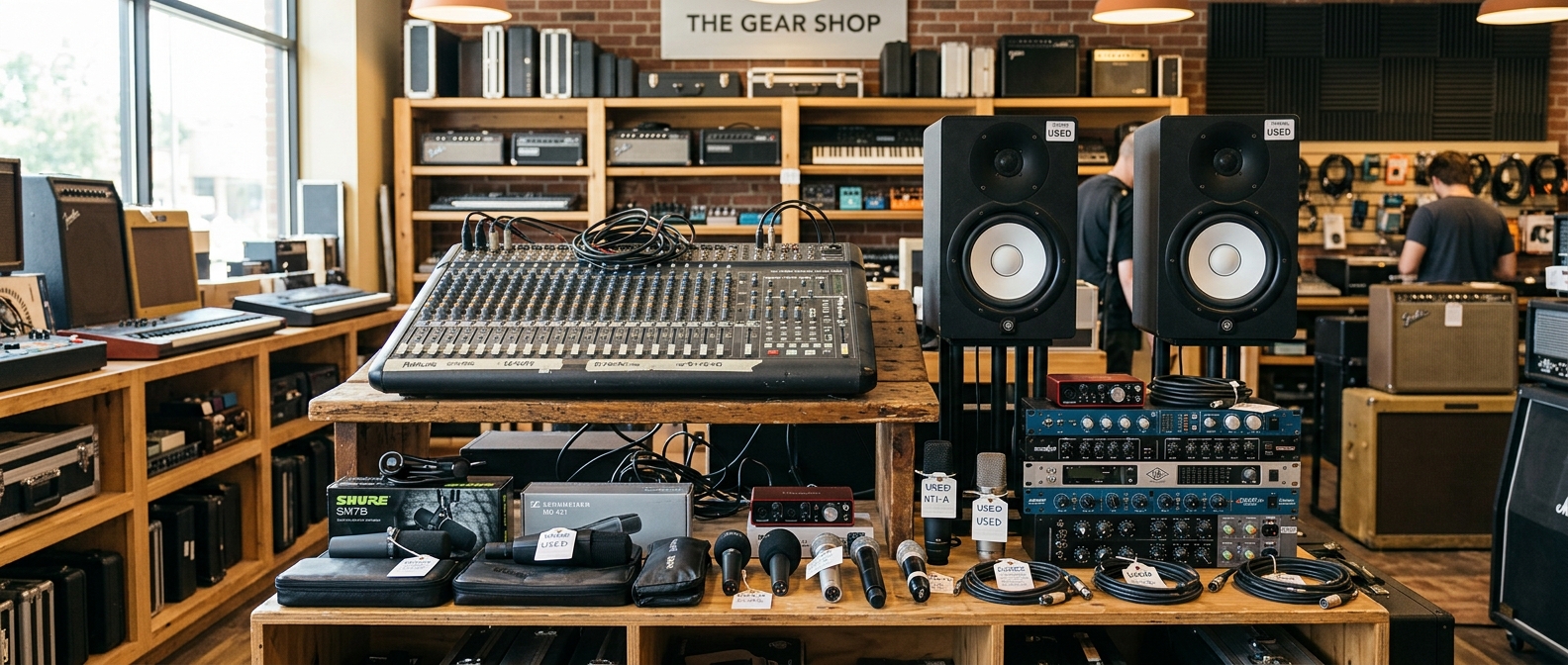
Why the Used Market Is Booming Right Now
Home studios, live streaming setups, and small event businesses have multiplied. That's pushed demand for speakers, mixers, microphones, and amplifiers higher than most new-gear budgets allow. At the same time, professional studios and venues are constantly upgrading, which floods resale channels with equipment that's often only a few years old and still performs like new.
This shift has created a strange but useful reality: some of the best-built sound gear from the last two decades is now available for a fraction of its original price, simply because trends moved on, not because the equipment failed.
Why "Cheap" Isn't Always "Good"
Not every discounted speaker or mixer is a bargain. Used audio gear carries hidden risks that don't show up in a quick glance or a blurry marketplace photo.
- Speaker cones can be damaged internally without visible cracks.
- Amplifiers may have blown channels that only surface under load.
- Mixers can have faulty faders or connectors that intermittently cut out.
- Cables and connectors degrade in ways that cause hums or dropouts.
Buyers who skip testing often end up paying for repairs that erase whatever they saved upfront.
What Actually Matters When Inspecting Gear
Before handing over cash, a few checks separate a smart purchase from a costly regret.
- Power it on and listen. Distortion, crackling, or uneven volume are red flags.
- Check all inputs and outputs. A single dead channel can indicate deeper wiring issues.
- Look for water or smoke damage. Discoloration or a burnt smell often means internal corrosion.
- Ask for usage history. Touring gear sees far more wear than gear used in a home studio.
- Test at volume. Some issues only appear once equipment is pushed past a whisper.
These steps take minutes but can save hundreds of dollars in avoided repairs.
Where Buyers Go Wrong
Many first-time used-gear buyers make the same avoidable mistakes:
- Buying based on brand reputation alone, without testing the specific unit.
- Ignoring compatibility with existing setups, like mismatched impedance or connector types.
- Skipping a return window or written condition description.
- Assuming "vintage" always means "valuable," when some older units are simply outdated.
Avoiding these missteps is less about knowing gear inside and out and more about asking the right questions before purchasing.
New vs. Used: When Each Makes Sense
Used equipment isn't always the right call. New gear makes more sense when:
- A warranty is essential for business-critical use.
- The equipment will see heavy daily use immediately.
- Specific, current-generation features are required.
Used equipment shines when:
- The buyer can test before purchasing.
- Budget matters more than having the newest model.
- The gear is a well-reviewed, durable model known for longevity.
The Search Intent Pivot
General buying tips only go so far. The real value depends on what's actually listed near you right now, current pricing for specific brands, and which local sellers or marketplaces have a track record of accurate listings. Prices for the same mixer or speaker model can vary significantly between platforms, and availability shifts week to week.
That's why many shoppers move from general research into more specific searches, comparing used sound equipment listings, checking current resale prices for particular models, and looking into trusted marketplaces or local sellers in their area. The right deal often depends on timing, location, and the specific make and model in question, details that only surface once you start searching for them directly.
Making the Smarter Purchase
Used sound equipment can deliver professional-level performance at a fraction of retail cost, but only when buyers know what to check and where to look. Testing before buying, understanding common failure points, and comparing current listings all make the difference between a smart investment and a frustrating repair bill.
For anyone ready to explore what's currently available, searching for specific models, local sellers, and up-to-date pricing is the natural next step in finding equipment that fits both budget and sound quality needs.