
What to Know About In-Home Massage Services
What to Know About In-Home Massage Services
Picture this: a stressful week, tight shoulders, and zero energy to drive anywhere. Now picture a licensed massage therapist arriving at your door instead. In-home massage services have quietly become one of the most requested wellness upgrades, letting people trade waiting rooms and traffic for their own living room. But before you book one, there are a few things worth understanding.
The Problem With Traditional Spa Visits
Booking a massage used to mean clearing your schedule for more than just the session itself. You had to commute, find parking, sit in a waiting area, and then drive home afterward, often undoing the relaxation you just paid for.
For people with chronic pain, limited mobility, or packed schedules, this extra friction can be enough to skip self-care altogether. Over time, skipped appointments mean unmanaged stress and untreated muscle tension.
Why More People Are Choosing In-Home Sessions
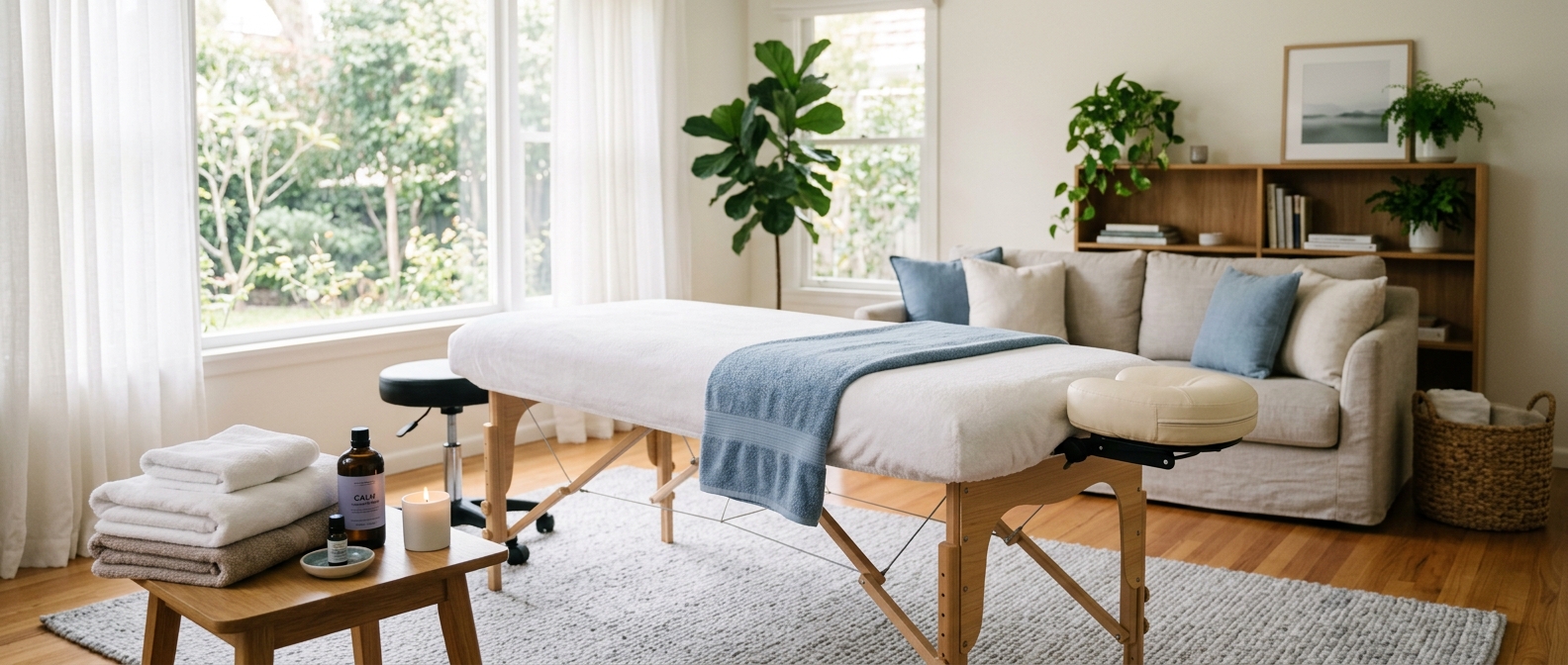
In-home massage flips the traditional model. A licensed therapist brings the table, oils, and equipment directly to your space. You stay in familiar surroundings, which many clients say helps them relax faster and more deeply than in a clinical setting.
This format has grown especially popular among:
- Parents who can't easily leave young children
- Older adults who find travel difficult
- People recovering from surgery or injury
- Busy professionals who want to use lunch breaks or evenings efficiently
- Couples wanting to book a joint session without traveling separately
What Actually Happens During a Visit
The process is more structured than people expect. Most reputable providers follow a similar pattern:
- A short intake call or form to note any injuries, allergies, or focus areas
- The therapist arrives with a portable table, linens, and oils
- They set up in a quiet room with enough space to move around the table
- The session runs 60 to 90 minutes, similar to a spa appointment
- Payment is typically handled through an app or invoice, not cash on the spot
Many therapists also bring calming music or aromatherapy options, so the experience can feel just as polished as an in-studio visit.
Not All Providers Are Created Equal
Because this industry has grown quickly, quality varies widely. Some therapists are independent and highly credentialed, while others operate through apps with looser vetting standards.
Before booking, it helps to know:
- Whether the therapist is licensed in your state
- If they carry liability insurance
- What their cancellation and safety policies look like
- Whether reviews mention professionalism and punctuality
Skipping this step is one of the most common regrets people report after a disappointing session.
Pricing Isn't One-Size-Fits-All
In-home massage typically costs more than a standard spa visit, mainly because you're paying for the therapist's travel time and equipment setup. But the exact difference depends heavily on where you live, the therapist's experience level, and the length of session you choose.
Some providers charge flat regional rates, while others price dynamically based on demand, time of day, or distance traveled. This is where things start to feel less like a one-size-fits-all service and more like something that needs a bit of local homework.
Why Your Specific Location Changes Everything
Here's the part most people don't realize until they start looking: massage therapist availability, pricing, and specialties can shift dramatically from one zip code to another. A city with a high concentration of independent therapists might offer more competitive rates and same-day booking, while a smaller town might have fewer options but more personalized service.
Because of this, generic advice can only take you so far. The real value comes from checking what's actually available near you, comparing licensed providers, reading verified reviews, and understanding local pricing norms before committing to a session.
Questions Worth Asking Before You Book
A few quick questions can save you from an underwhelming experience:
- Do they specialize in deep tissue, prenatal, or sports massage?
- Do they bring their own table, or expect you to have one?
- What's their policy if you need to reschedule last minute?
- Are they comfortable working around specific injuries or conditions?
Therapists who answer these clearly and confidently tend to be the most experienced.
Finding the Right Fit Near You
Since availability and standards vary so much by area, it's worth spending a few minutes looking into in-home massage therapists specifically in your city or region. Comparing local licensing requirements, typical rates, and client reviews will give you a far more accurate picture than general guides ever could.
In-home massage can be a genuinely convenient way to manage stress and physical discomfort, but the right experience depends on doing a bit of local research first. Taking the time to explore your specific options is the best way to turn a good idea into a great session.