Wholesale Korean Skincare Suppliers: What Retailers Should Know
Wholesale Korean Skincare Suppliers: What Retailers Should Know
Korean skincare didn't just trend once and fade away. It became a permanent fixture on bathroom shelves worldwide, and now shop owners everywhere are scrambling to stock it. But behind every glowing display of glass skin serums and snail mucin essences is a supply chain question most buyers overlook: where does this product actually come from, and who is selling it wholesale? If you've ever wondered how boutiques and online stores keep their K-beauty inventory fresh, affordable, and authentic, you're not alone.
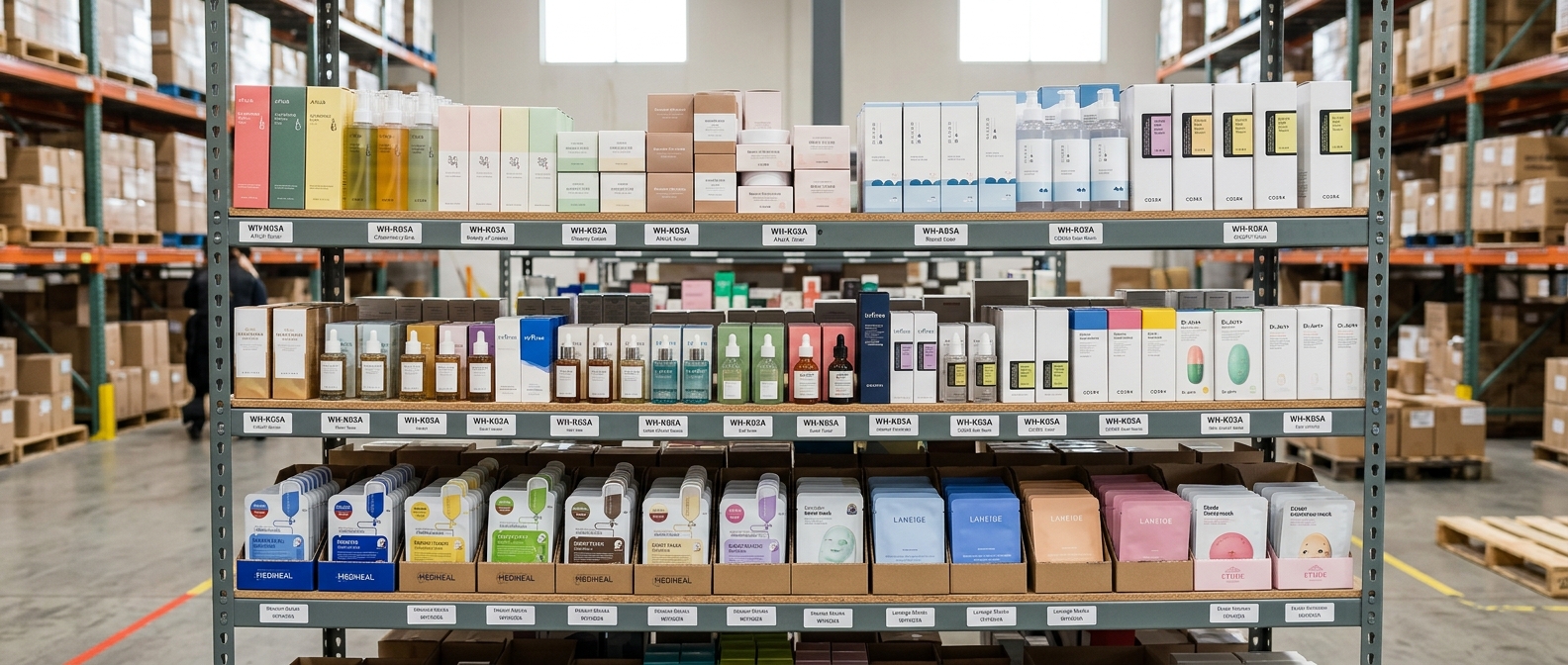
Why K-Beauty Refuses to Slow Down
The appeal isn't just marketing. Korean skincare built its reputation on ingredient innovation, multi-step routines, and formulas that treat skin concerns rather than mask them. Retailers noticed the demand shift years ago, but many still struggle with one thing: sourcing.
Buying single units from retail stores isn't sustainable for a business. Margins disappear, and availability is inconsistent. That's where wholesale sourcing enters the picture, and it's more complicated than simply typing a product name into a search bar.
The Problem With Guessing Your Way Into Wholesale
Many new sellers make the same mistake. They find a supplier through a random online listing, place a large order, and later discover the products are:
- Expired or close to expiration
- Counterfeit or repackaged imitations
- Missing proper import documentation
- Priced far above standard wholesale rates
This isn't a rare scenario. It's common enough that experienced buyers now treat supplier vetting as a non-negotiable step, not an afterthought.
What Actually Separates a Legitimate Supplier From a Risky One
Reliable wholesale suppliers typically share a few traits:
- They can provide manufacturer certificates or brand authorization letters.
- They offer transparent minimum order quantities (MOQs).
- They have verifiable business registration in South Korea or an authorized distribution hub.
- They provide batch and expiration tracking on request.
Without these basics, buyers are essentially gambling with inventory they intend to resell to real customers.
Direct Manufacturer vs. Distributor: Which Route Makes Sense?
Some retailers try to go straight to the manufacturer, hoping to cut out the middleman. In theory, this sounds ideal. In practice, many Korean skincare manufacturers only work with large-volume buyers or require import licensing that smaller retailers don't yet have.
This is why most small and mid-sized businesses instead work with established wholesale distributors who already:
- Handle customs and import compliance
- Maintain relationships with multiple certified Korean brands
- Offer lower MOQs suited for growing businesses
- Provide faster fulfillment timelines than overseas-only shipping
The tradeoff is usually a slightly higher per-unit cost than buying directly from a factory, but the risk reduction often justifies it, especially for newer sellers.
Regional Differences Matter More Than Most Buyers Realize
Wholesale terms, pricing, and available brands can vary significantly depending on where a supplier is based. A distributor operating out of Los Angeles may offer different shipping speeds and product catalogs than one based in New Jersey, London, or Sydney. Import regulations, tariffs, and even ingredient compliance laws differ by country and sometimes by state or province.
This means a "best supplier" list that works for one buyer may be completely irrelevant to another, depending on:
- Your business location
- Your target retail market
- Your budget and order volume
- Whether you need private label or established branded products
Private Label vs. Branded Wholesale: Two Very Different Paths
Some suppliers specialize in white-label Korean skincare, allowing retailers to build their own brand using proven formulas manufactured in Korea. Others focus exclusively on distributing established, recognizable K-beauty brands that already have consumer trust.
Choosing between the two depends on your business model. Private label suits retailers building a long-term brand identity. Branded wholesale suits those who want faster traction using names customers already search for.
Where This Gets Personal: Your Search Should Reflect Your Business
Generic advice can only take a buyer so far. The real answer to "who are the best wholesale Korean skincare suppliers" depends heavily on your specific location, order size, and business goals. A supplier list built for bulk buyers in California won't necessarily serve a boutique startup in Texas or a small business owner in the UK. This is exactly why many retailers move from general research into more targeted searches, looking specifically for suppliers that match their region, minimum order requirements, and product focus, whether that's skincare, sheet masks, or full K-beauty product lines.
Before You Commit to a Supplier
A few practical steps can save businesses from costly mistakes:
- Request samples before placing a bulk order.
- Verify expiration dates and batch numbers.
- Ask for import/export documentation.
- Compare at least three suppliers before committing.
- Check reviews from other business owners, not just consumers.
These steps take time, but they're far less costly than discovering a shipment issue after customers have already started asking questions.
Moving Forward With Confidence
Korean skincare remains one of the most in-demand categories in the beauty retail space, and the opportunity for businesses is real. But success depends less on the trend itself and more on the supplier relationships behind the scenes.
For readers looking to take the next step, exploring current wholesale supplier options tailored to your location and business size is a practical way to continue this research.