
Why Solar Battery Storage Is Becoming Essential in 2026
If you've been watching your electricity bills climb month after month, you're not alone. Thousands of homeowners are discovering that having solar panels without battery storage is like owning a car with no gas tank. You generate power during the day, but when the sun goes down or the grid fails, you're back to square one. That's why solar battery storage has shifted from a luxury upgrade to a practical necessity for anyone serious about energy independence and long-term savings.
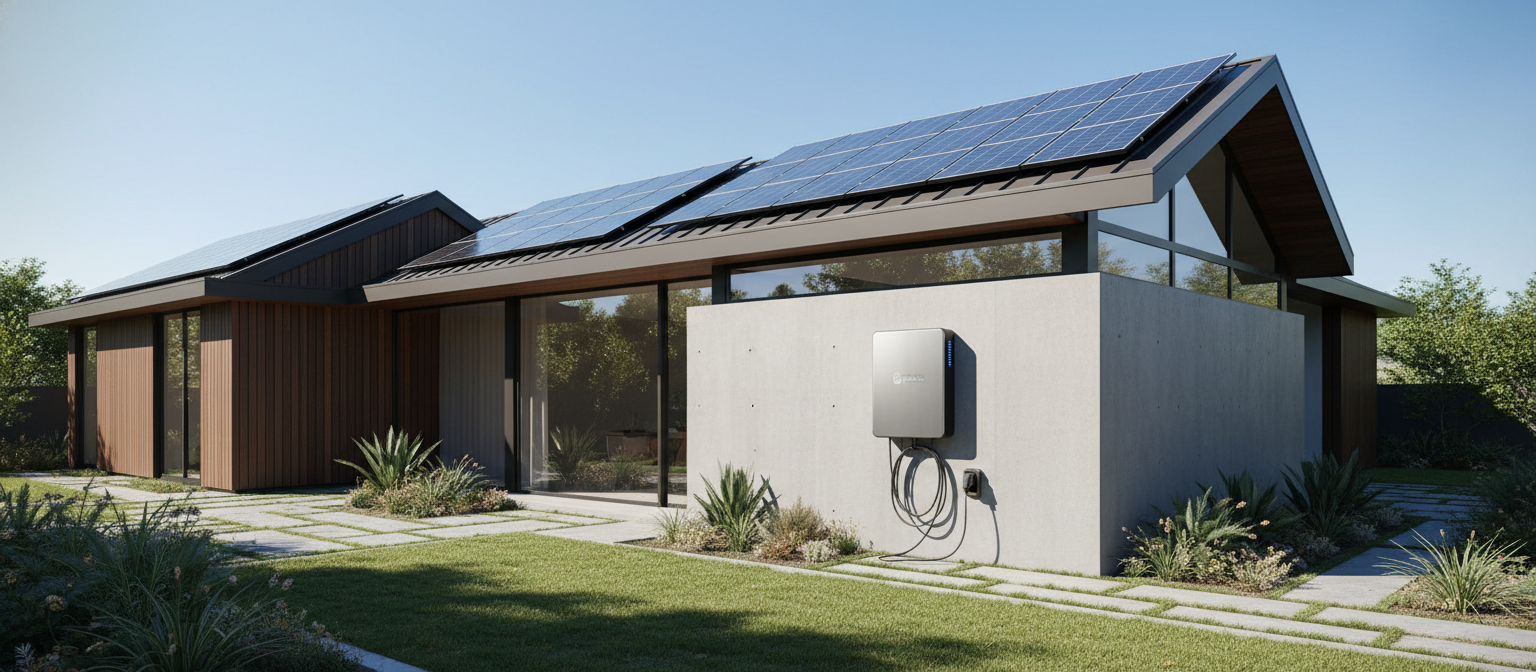 The Problem With Solar Panels Alone
Most people think installing solar panels solves their energy problems. The reality is more complicated. Standard solar systems send excess power back to the grid during peak sunlight hours, and you buy it back at night-often at higher rates. When storms knock out power lines, your solar panels shut down for safety reasons, leaving you in the dark despite having panels on your roof.
Without battery storage, you're still dependent on the utility company's schedule and pricing. You're generating clean energy but not actually controlling when or how you use it. That's the fundamental gap that causes frustration for so many solar panel owners.
How Solar Battery Storage Changes Everything
A solar battery system captures the excess energy your panels produce during the day and stores it for later use. Instead of selling power back to the grid at wholesale rates and buying it back at retail prices, you tap into your own reserve whenever you need it.
Here's what actually happens with a battery system installed:
- Your panels charge the battery during peak sunlight hours
- You draw from the battery during evening hours when electricity rates spike
- During power outages, your home stays powered without interruption
- You reduce your reliance on the grid by 70-90% depending on your system size
The technology has improved dramatically over the past three years. Modern lithium-ion batteries last 10-15 years, require virtually no maintenance, and can power essential appliances or your entire home depending on capacity.
The Financial Case That's Hard to Ignore
Energy costs aren't going down. The average household electricity rate has increased 23% since 2021, and experts project another 15-20% increase by 2028. Meanwhile, battery storage costs have dropped nearly 40% in the same period.
Here's the math that's convincing homeowners to make the switch:
A typical household spends $150-250 monthly on electricity. With solar panels and battery storage, that drops to $20-50 for grid connection fees alone. Over a 10-year period, you're looking at $15,000-24,000 in savings. Factor in federal tax credits (currently 30% of installation costs), state incentives, and utility company rebates, and the payback period shrinks to 5-7 years for most systems.
Beyond the numbers, there's the insurance factor. When hurricanes, wildfires, or winter storms knock out power for days, having battery backup means your food stays fresh, your medical devices keep running, and your family stays comfortable. That peace of mind has real value that's tough to quantify.
What to Look for in a Battery System
Not all solar batteries are created equal. The market is flooded with options, and choosing the wrong system can mean years of frustration. Here are the key factors that separate the winners from the disappointments:
Capacity vs. Power: Capacity (measured in kilowatt-hours) tells you how much energy the battery stores. Power (measured in kilowatts) tells you how much it can deliver at once. You need both numbers to match your household needs.
Depth of Discharge: This indicates how much of the battery's capacity you can actually use. Premium systems let you use 90-95% of stored energy. Cheaper models might only allow 50-60%, meaning you're paying for storage you can't access.
Round-Trip Efficiency: Some energy is lost in the charging and discharging process. High-quality batteries maintain 90%+ efficiency, while lower-end models waste 20-30% of your power as heat.
Warranty Coverage: Look for warranties that cover at least 10 years or a specific number of charge cycles (typically 4,000-6,000). The warranty should guarantee the battery maintains 70%+ capacity throughout its lifespan.
Real-World Results From Early Adopters
Tom, a homeowner in Texas, installed a 13.5 kWh battery system after the 2021 winter storm left him without power for four days. "My neighbors were running generators around the clock, spending hundreds on gas. My system kept the heat, refrigerator, and internet running without a hiccup. The battery paid for itself just in that one event when you factor in the food we didn't lose and the hotel stay we didn't need."
Jennifer in California took a different approach. "We're on time-of-use rates where evening electricity costs triple. Our battery charges during the day from our panels, then powers the house from 4 PM to 9 PM when rates peak. We dropped our bill from $340 a month to $45."
These aren't isolated cases. Industry data shows that homes with solar plus storage reduce grid dependence by an average of 85% and see ROI within 6-8 years under current incentive programs.
The Window of Opportunity Is Narrowing
Federal tax credits for solar battery storage remain at 30% through 2032, but state and local incentives are constantly changing. Some utilities offer time-limited rebates that can cut your costs by an additional $2,000-5,000. California, New York, and Massachusetts have particularly aggressive programs right now.
More importantly, as grid instability increases and battery demand surges, installation wait times have stretched from 2-3 weeks to 3-6 months in many markets. The combination of financial incentives and supply chain realities means acting sooner rather than later makes practical sense.
Finding the Right Solution for Your Situation
While the benefits of solar battery storage are clear, the best system for your home depends on multiple factors: your current energy usage, local electricity rates, roof condition, available incentives, and backup power priorities. A system that's perfect for a 1,500 square-foot home in Arizona won't match the needs of a 3,000 square-foot house in New England.
The smartest approach is to explore options specific to your location, compare quotes from certified installers in your area, and understand exactly which incentives you qualify for based on your situation. The right system should match your household's unique energy profile and financial goals.
Take the Next Step
Solar battery storage has moved from emerging technology to proven solution. With costs declining, incentives still strong, and grid reliability becoming more uncertain, the question isn't whether battery storage makes sense-it's which system fits your specific needs and budget. Research local installers, compare system specifications, and get detailed quotes that account for all available incentives in your area. Your energy independence starts with understanding your options.