
Working in Luxembourg Warehouses: A Complete Guide
Luxembourg may be known for its finance sector and European institutions, but its logistics and warehousing industry is one of the most active employment sectors in the country. With its strategic location at the heart of Europe, Luxembourg has become a key hub for distribution and supply chain operations - and warehouse workers are the backbone of it all. Whether you are considering a first job or a career change, understanding what warehouse work in Luxembourg truly involves is the best place to start.
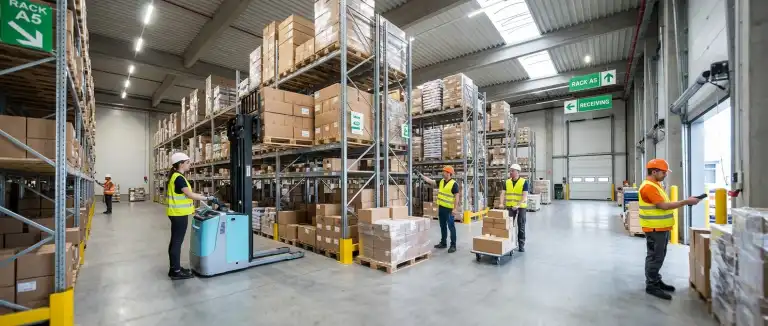 Understanding the Role of a Warehouse Worker
A warehouse worker in Luxembourg performs a wide range of tasks that keep goods moving efficiently from suppliers to customers. The role is more varied than most people expect.
Core responsibilities typically include:
- Receiving, checking, and logging incoming stock
- Picking and packing orders accurately
- Operating warehouse equipment such as pallet jacks or forklifts
- Maintaining inventory records using digital systems
- Ensuring the warehouse is clean, organized, and compliant with safety standards
Many warehouses in Luxembourg operate on shift-based schedules, including early mornings, evenings, and sometimes weekends. This makes the role well-suited for people who prefer structured hours and physical activity over desk-based work.
Skills Required for Success
You do not need a university degree to work in a Luxembourg warehouse, but certain skills make a significant difference in performance and career progression.
Physical fitness and stamina are essential. The job often involves standing for long periods, lifting boxes, and moving constantly throughout a shift.
Attention to detail is equally important. A mispicked order or an incorrect inventory count can cause costly disruptions down the supply chain.
Other valuable skills include:
- Basic computer literacy for warehouse management systems (WMS)
- Ability to follow instructions and work within a team
- Time management and the ability to meet daily targets
- Forklift or reach truck certification (often provided by employers)
- Communication skills - especially in multilingual environments, as Luxembourg workplaces often involve French, German, English, and Luxembourgish
Language flexibility is a genuine advantage in Luxembourg. Many warehouse employers welcome workers who can communicate in at least one of the country's official languages.
Benefits of Working in Luxembourg Warehouses
Luxembourg consistently ranks among the highest-paying countries in Europe for manual and logistics roles. Warehouse workers benefit from a strong legal framework that protects workers' rights, including minimum wage legislation, regulated working hours, and mandatory rest periods.
Key benefits often associated with warehouse jobs in Luxembourg include:
- Competitive wages - Luxembourg's national minimum wage is one of the highest in the EU
- Social security coverage - including health insurance, pension contributions, and unemployment protection
- Paid annual leave - typically 25 days per year for full-time employees
- Transport allowances - many employers support commuting costs
- Stable employment - logistics is a growing sector with consistent demand for workers
For workers coming from neighboring countries like France, Belgium, or Germany - known as "frontaliers" - Luxembourg warehouse jobs offer the opportunity to earn Luxembourg wages while living across the border, which can be financially advantageous.
Challenges in the Warehouse Environment
Like any physically demanding job, warehouse work comes with its own set of challenges that are worth understanding before committing to the role.
Physical strain is the most common concern. Repetitive movements, heavy lifting, and long hours on your feet can take a toll on the body over time. Many experienced workers recommend investing in quality footwear and learning proper lifting techniques from day one.
Shift work can disrupt sleep patterns and social life, particularly for those on rotating schedules. It requires good personal organization and adaptability.
Workplace pressure - especially in high-volume distribution centers - can be intense during peak periods such as holiday seasons or major sales campaigns. Meeting daily targets and keeping pace with automated systems requires focus and consistency.
That said, most workers find that the challenges are manageable with the right mindset and proper onboarding support from employers.
Opportunities for Growth and Advancement
One of the most underappreciated aspects of warehouse work in Luxembourg is the potential for career development. Many people enter the sector as general operatives and grow into specialized or supervisory roles over time.
Common career progression paths include:
- Team Leader or Shift Supervisor - overseeing a group of workers and coordinating daily operations
- Inventory or Stock Controller - managing product data, audits, and replenishment
- Logistics Coordinator - handling the planning and scheduling of shipments
- Warehouse Manager - running the full operation of a site
Many Luxembourg employers actively invest in employee training and certification programs. Forklift licenses, health and safety qualifications, and warehouse management system training are often provided at no cost to the employee - and these credentials are recognized across Europe.
For workers interested in the broader logistics industry, experience gained in a Luxembourg warehouse can open doors to roles in freight, supply chain management, and procurement.
Finding the Right Warehouse Role in Luxembourg
Luxembourg's warehousing sector spans a variety of industries - from e-commerce and retail distribution to pharmaceutical logistics and automotive parts. Each sector has its own environment, pace, and set of requirements. Understanding the type of warehouse that best suits your skills and lifestyle is an important step in finding the right fit.
Factors to consider when exploring warehouse opportunities include shift patterns, contract type (permanent vs. temporary), language requirements, and whether the employer offers training or certification. Cross-border workers should also factor in tax implications, as Luxembourg has specific agreements with neighboring countries regarding frontier worker taxation.
Exploring the specific roles, companies, and working conditions available in Luxembourg's warehousing sector can help you make a well-informed decision about your next career step.